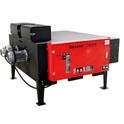
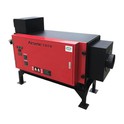
Hey there! As a supplier of Machine Tool Oil Mist Collectors, I've seen firsthand how crucial the operating frequency is to the performance of these devices. Let's dive into what impact the operating frequency has on the machine tool oil mist collector.
Understanding the Basics of Operating Frequency
First off, what exactly is operating frequency? In the context of a machine tool oil mist collector, it refers to how often the collector runs or cycles. This frequency can vary depending on the type of machinery it's attached to, the amount of oil mist being generated, and the specific requirements of the working environment.


Think of it like your car engine. If you drive at a constant speed, the engine runs smoothly. But if you keep accelerating and decelerating, it puts more stress on the engine. Similarly, the operating frequency of an oil mist collector affects its overall performance.
Impact on Filtration Efficiency
One of the most significant impacts of operating frequency is on filtration efficiency. When the collector runs at an appropriate frequency, it can effectively capture and remove oil mist from the air. For example, if a machine tool generates a large amount of oil mist during operation, a higher operating frequency ensures that the collector can keep up with the mist production.
On the other hand, if the operating frequency is too low, the oil mist may accumulate in the air, leading to poor air quality in the workplace. This not only affects the health of workers but also can cause damage to the machinery over time. Dust and oil particles can settle on sensitive components, reducing their lifespan and performance.
Let's say you have a ESP Oil Mist Separator. This type of collector uses electrostatic precipitation to remove oil mist. If it runs at the right frequency, it can efficiently charge and collect the oil particles. But if the frequency is off, the separation process may not work as effectively, and some oil mist may escape into the air.
Energy Consumption
Another important aspect is energy consumption. The operating frequency directly affects how much power the oil mist collector uses. A higher operating frequency generally means more energy is consumed. However, this doesn't necessarily mean that a lower frequency is always better.
If the collector runs too infrequently, it may need to work harder during each cycle to catch up on the accumulated oil mist. This can actually lead to higher energy consumption in the long run. It's all about finding the right balance.
For instance, an Oil Fume Purifier that is designed to run at a specific frequency will operate most efficiently when it adheres to that frequency. Running it at a much higher or lower frequency can cause the motor to work harder, increasing energy costs.
Maintenance and Lifespan
The operating frequency also has a big impact on the maintenance and lifespan of the oil mist collector. A collector that runs at a consistent and appropriate frequency is likely to have a longer lifespan. This is because it experiences less wear and tear compared to one that is constantly starting and stopping.
When the collector runs too often or at an irregular frequency, the components such as the fan, filters, and electrical parts are put under more stress. This can lead to more frequent breakdowns and the need for more frequent maintenance.
Take a High Efficiency Electrostatic Oil Mist Collector for example. If it's operated at the wrong frequency, the electrostatic plates may become dirty more quickly, reducing their effectiveness. Regular maintenance is essential, but a proper operating frequency can reduce the frequency of these maintenance tasks.
Finding the Optimal Operating Frequency
So, how do you find the optimal operating frequency for your machine tool oil mist collector? It depends on several factors. First, you need to consider the type of machinery you're using. Different machines generate different amounts of oil mist, so the collector's operating frequency should be adjusted accordingly.
You also need to take into account the size of the workspace. A larger workspace may require a higher operating frequency to ensure that the air is properly cleaned. Additionally, the number of machines in the area and their usage patterns play a role.
It's a good idea to consult with a professional or the manufacturer of the oil mist collector. They can provide guidance based on your specific situation. They may also be able to offer custom solutions to optimize the operating frequency for your needs.
The Bottom Line
In conclusion, the operating frequency of a machine tool oil mist collector has a significant impact on its performance. It affects filtration efficiency, energy consumption, maintenance, and lifespan. By finding the right operating frequency, you can ensure that your oil mist collector works effectively, provides a clean working environment, and saves you money in the long run.
If you're in the market for a machine tool oil mist collector or need advice on optimizing the operating frequency of your existing collector, don't hesitate to reach out. We're here to help you make the best decision for your business. Let's have a chat and see how we can improve your workplace air quality and the performance of your oil mist collector.
References
- Industry research on machine tool oil mist collectors
- Manufacturer's guidelines for oil mist collector operation