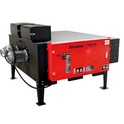
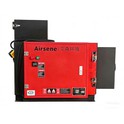
Hey there! As a supplier of CNC Oil Mist Collectors, I get a ton of questions from folks looking to pick the right one for their CNC machines. It's not always a walk in the park, but with the right info, you can make a smart choice. So, let's dive into how you can choose the perfect CNC oil mist collector for your setup.
Understanding Your CNC Machine's Needs
First things first, you gotta know what your CNC machine is all about. Different machines have different requirements when it comes to oil mist collection. For instance, a high-speed milling machine might generate a lot more oil mist than a slower lathe. You need to consider the size of your machine, its operating speed, and the type of coolant or lubricant it uses.
If you're running a large-scale production with multiple CNC machines, you might want to look into a Centralized Oil Mist Extractor. These bad boys are designed to handle the oil mist from multiple machines at once, which can be a real game-changer for efficiency.
Types of CNC Oil Mist Collectors
There are a few different types of oil mist collectors out there, and each has its own pros and cons.
Filter-Based Collectors
Filter-based collectors are the most common type. They work by passing the oil mist through a series of filters that trap the oil droplets. These filters can be made of different materials, like fiberglass or polyester. The advantage of filter-based collectors is that they're relatively simple and cost-effective. However, the filters need to be replaced regularly, which can add to the long-term cost.
Electrostatic Coalescer
Electrostatic coalescers use an electrostatic field to charge the oil droplets and then collect them on a collection plate. This type of collector is highly efficient and can remove even the smallest oil droplets. It's also low-maintenance, as the collection plates can be easily cleaned. But, electrostatic coalescers tend to be more expensive upfront.
Industrial Smoke Purifier
If your CNC machine also produces smoke or fumes in addition to oil mist, an industrial smoke purifier might be the way to go. These purifiers are designed to remove both oil mist and smoke, using a combination of filters and other purification technologies.


Capacity and Efficiency
When choosing a CNC oil mist collector, you need to make sure it has the right capacity for your needs. The capacity of a collector is usually measured in cubic feet per minute (CFM). You'll want to choose a collector with a CFM rating that matches the size and output of your CNC machine.
Efficiency is also crucial. A more efficient collector will be able to remove a higher percentage of oil mist from the air. Look for collectors that have been tested and certified for their efficiency.
Maintenance and Cost
Maintenance is an important factor to consider. Some collectors require more frequent maintenance than others. For example, filter-based collectors need their filters replaced regularly, while electrostatic coalescers need their collection plates cleaned. Make sure you factor in the cost and time required for maintenance when choosing a collector.
Cost is, of course, a major consideration. You'll need to balance the upfront cost of the collector with its long-term operating costs. While a more expensive collector might have a higher upfront cost, it could save you money in the long run if it's more efficient and requires less maintenance.
Installation and Compatibility
Make sure the collector you choose is compatible with your CNC machine. Some collectors are designed to be installed directly on the machine, while others are standalone units. You'll also need to consider the space available in your workshop for the collector.
Installation can be a bit tricky, so it's a good idea to choose a collector that comes with clear installation instructions or even professional installation services.
Safety and Regulations
Safety is always a top priority. Make sure the collector you choose meets all the relevant safety standards and regulations. This includes things like fire safety and electrical safety.
In some areas, there are also regulations regarding the emission of oil mist into the environment. Make sure your collector is compliant with these regulations to avoid any legal issues.
Conclusion
Choosing the right CNC oil mist collector for your CNC machine is an important decision. It can have a big impact on the performance of your machine, the health of your workers, and the overall efficiency of your workshop. By considering factors like your machine's needs, the type of collector, capacity, efficiency, maintenance, cost, installation, and safety, you can make an informed choice.
If you're still not sure which CNC oil mist collector is right for you, don't hesitate to reach out. We're here to help you find the perfect solution for your specific needs. Whether you have questions about our products or need advice on installation and maintenance, we're just a message away. Let's work together to keep your CNC machines running smoothly and your workshop environment clean and safe.
References
- Industry standards and guidelines for CNC oil mist collectors
- Manufacturer specifications and product literature