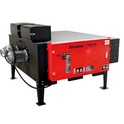
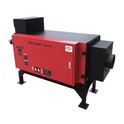
Determining the appropriate suction power for a molding machine smoke collector is a crucial step in ensuring efficient and effective operation. As a supplier of Molding Machine Smoke Collectors, I understand the significance of this decision and the impact it can have on the overall performance of the equipment. In this blog, I will share some key factors to consider when determining the appropriate suction power for your molding machine smoke collector.
Understanding the Basics of Suction Power
Suction power is measured in cubic feet per minute (CFM) and represents the volume of air that the smoke collector can move in a given period. A higher CFM indicates a more powerful suction, which is essential for effectively capturing and removing smoke, fumes, and particulate matter generated during the molding process. However, it's important to note that simply choosing the highest CFM available is not always the best solution. Other factors, such as the size of the molding machine, the type of material being processed, and the layout of the workspace, also need to be taken into account.
Factors to Consider When Determining Suction Power
1. Machine Size and Type
The size and type of the molding machine play a significant role in determining the appropriate suction power. Larger machines typically generate more smoke and fumes, requiring a higher CFM to effectively capture and remove them. Additionally, different types of molding machines, such as injection molding, blow molding, or compression molding, may produce varying amounts of smoke and particulate matter. For example, injection molding machines often generate more smoke due to the high temperatures and pressures involved in the process.
2. Material Being Processed
The type of material being processed in the molding machine also affects the suction power requirements. Some materials, such as plastics, rubber, and composites, produce more smoke and fumes than others. For instance, processing PVC (polyvinyl chloride) can release toxic fumes that need to be effectively captured and filtered. In such cases, a higher suction power may be necessary to ensure the safety of the workers and compliance with environmental regulations.
3. Workspace Layout
The layout of the workspace where the molding machine is located can impact the suction power needed. If the machine is placed in a confined space or near other equipment, it may be more difficult for the smoke collector to capture the smoke and fumes effectively. In such situations, a higher suction power may be required to overcome the airflow restrictions and ensure proper ventilation.
4. Number of Machines
If you have multiple molding machines operating in the same workspace, you need to consider the total amount of smoke and fumes generated. The suction power of the smoke collector should be sufficient to handle the combined emissions from all the machines. In some cases, it may be necessary to install multiple smoke collectors or a larger-capacity unit to meet the requirements.
Calculating the Appropriate Suction Power
To determine the appropriate suction power for your molding machine smoke collector, you can use the following steps:
Step 1: Determine the Volume of the Workspace
Measure the length, width, and height of the workspace where the molding machine is located. Multiply these dimensions to calculate the volume of the space in cubic feet.
Step 2: Estimate the Smoke and Fume Generation
Based on the type of molding machine and the material being processed, estimate the amount of smoke and fumes generated per minute. This can be done by referring to the machine's specifications or consulting with the manufacturer.
Step 3: Calculate the Required CFM
To calculate the required CFM, divide the estimated smoke and fume generation by the volume of the workspace. Multiply the result by a safety factor (usually between 2 and 4) to account for any variations in the actual emissions.
For example, if the estimated smoke and fume generation is 100 cubic feet per minute and the volume of the workspace is 1000 cubic feet, the required CFM would be:


(100 / 1000) x 3 = 0.3 x 3 = 0.9 CFM
In this case, a smoke collector with a suction power of at least 0.9 CFM would be required.
Choosing the Right Smoke Collector
Once you have determined the appropriate suction power, it's important to choose the right smoke collector for your specific needs. There are several types of smoke collectors available on the market, each with its own advantages and disadvantages. Some of the common types include:
Industrial Smoke Purifier
An Industrial Smoke Purifier is designed to remove smoke, fumes, and particulate matter from the air. It uses a combination of filters and purification technologies to capture and neutralize the contaminants. Industrial smoke purifiers are available in different sizes and configurations to suit various applications.
Electrostatic Oil Mist Collector
An Electrostatic Oil Mist Collector is specifically designed to remove oil mist and other aerosols from the air. It uses an electrostatic field to charge the particles and attract them to a collection plate. Electrostatic oil mist collectors are highly efficient and can remove up to 99% of the oil mist from the air.
Industrial Smoke Purification Unit
An Industrial Smoke Purification Unit is a comprehensive solution for removing smoke, fumes, and particulate matter from the air. It typically includes a combination of filters, fans, and purification technologies to provide a high level of air purification. Industrial smoke purification units are suitable for large-scale industrial applications.
Conclusion
Determining the appropriate suction power for a molding machine smoke collector is a critical step in ensuring the efficient and effective operation of the equipment. By considering factors such as the machine size, material being processed, workspace layout, and number of machines, you can calculate the required suction power and choose the right smoke collector for your specific needs. If you have any questions or need further assistance in selecting the appropriate suction power for your molding machine smoke collector, please feel free to contact us. We are here to help you make the best decision for your business.
References
- "Industrial Air Filtration Handbook" by John A. Crump
- "Air Pollution Control Technology" by William C. Turner
- "Molding Machine Operation and Maintenance" by David R. Smith