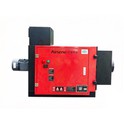
Yo, what's up! As a supplier of ESP Oil Mist Separators, I've been getting a lot of questions about the cost - effectiveness of using these nifty devices. So, I thought I'd break it down for you in this blog post.
Let's start with the basics. An ESP Oil Mist Separator, also known as an Electrostatic Oil Mist Separator, is a device that uses electrostatic forces to separate oil mist from the air. It's a crucial piece of equipment in many industrial settings, especially those where there's a lot of oil mist generated, like metalworking, machining, and food processing.
How does it work?
The ESP Oil Mist Separator works by charging the oil mist particles as they pass through an electrostatic field. These charged particles are then attracted to collector plates with the opposite charge. Once the particles stick to the plates, they form larger droplets and eventually drain out of the separator. It's a pretty simple yet effective process.


Cost - effectiveness in terms of energy consumption
One of the major factors in cost - effectiveness is energy consumption. Compared to some other types of oil mist collection systems, ESP Oil Mist Separators are relatively energy - efficient. They don't require a lot of power to operate, which means lower electricity bills for you. For example, traditional mechanical filters often need high - speed fans to draw in the air, which consume a significant amount of energy. In contrast, the ESP system can achieve high collection efficiency with a much lower power draw.
Savings on oil
Another big advantage is the savings on oil. When you use an ESP Oil Mist Separator, you can collect and recycle the oil that would otherwise be lost to the atmosphere. This not only saves you money on purchasing new oil but also reduces waste. In industries where a large amount of oil is used, these savings can add up quickly. For instance, in a metalworking shop, the cost of oil can be a significant part of the operating expenses. By using an ESP separator, you can recover a large portion of that oil and reuse it, which is a win - win for your bottom line and the environment.
Maintenance costs
Maintenance is also an important aspect of cost - effectiveness. ESP Oil Mist Separators generally have lower maintenance requirements compared to other types of oil mist collectors. The collector plates need to be cleaned periodically, but this is a relatively simple process. In contrast, mechanical filters often need to be replaced regularly, which can be expensive. And let's not forget the labor costs associated with filter replacement. With an ESP separator, you can reduce both the frequency and cost of maintenance.
Long - term durability
These separators are built to last. They are made of high - quality materials that can withstand the harsh conditions of industrial environments. This means you won't have to replace the equipment frequently, which is a huge cost - saver in the long run. A well - maintained ESP Oil Mist Separator can serve you for many years, providing a stable and reliable solution for oil mist collection.
Comparison with other technologies
Let's compare the ESP Oil Mist Separator with an Electrostatic Coalescer. While both use electrostatic principles, they have different applications. An electrostatic coalescer is mainly used for separating water from oil in oil - water mixtures. On the other hand, the ESP Oil Mist Separator is designed to remove oil mist from the air. The cost - effectiveness of each depends on the specific needs of your operation. If you're dealing with oil mist in the air, an ESP Oil Mist Separator is likely to be the more cost - effective choice.
Another alternative is the Electrostatic Oil Mist Collector. The ESP Oil Mist Separator and the electrostatic oil mist collector are similar in many ways, but the separator is often more focused on high - efficiency separation. In some cases, the collector might be more suitable for smaller - scale operations, while the separator is better for larger industrial settings.
Environmental benefits and cost - effectiveness
In today's world, environmental regulations are getting stricter. Using an ESP Oil Mist Separator can help you comply with these regulations, which can save you from potential fines. By reducing the amount of oil mist released into the environment, you're also doing your part for the planet. And from a cost - effectiveness perspective, avoiding fines and potential legal issues is a huge plus.
Return on investment (ROI)
When you consider all the factors mentioned above - energy savings, oil savings, low maintenance costs, and long - term durability - the return on investment for an ESP Oil Mist Separator is quite impressive. You'll start seeing the benefits in a relatively short period of time, and over the long term, the savings can be substantial.
Conclusion
So, if you're in an industry where oil mist is a problem, an ESP Oil Mist Separator is definitely worth considering. It offers a cost - effective solution that can save you money in the long run, while also helping you meet environmental standards.
If you're interested in learning more about our ESP Oil Mist Separators or want to discuss a potential purchase, feel free to reach out. We'd be happy to have a chat with you and see how we can help meet your oil mist collection needs.
References
- Industrial Air Filtration Handbook
- Studies on Electrostatic Separation Technologies in Oil Mist Collection