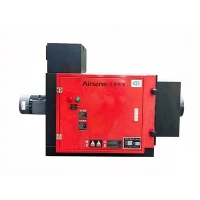
Can a machine tool oil mist separator reduce energy consumption?
In the manufacturing industry, the issue of energy consumption has always been a significant concern. As a supplier of Machine Tool Oil Mist Separators, I often encounter questions from customers about whether these devices can contribute to energy savings. In this blog post, I will delve into the topic and explore how a machine tool oil mist separator can potentially reduce energy consumption.
Understanding the Problem of Oil Mist in Machine Tools
Machine tools, such as milling machines, lathes, and grinders, generate oil mist during their operation. This oil mist is a by - product of the lubrication and cooling processes. The oil mist contains fine droplets of oil that are suspended in the air. If left unmanaged, the oil mist can pose several problems.
Firstly, it can contaminate the working environment, leading to poor air quality. Workers may inhale the oil mist, which can cause health problems such as respiratory issues and skin irritation. Secondly, the oil mist can settle on machinery, electrical components, and floors, leading to increased maintenance requirements and potential equipment failures.
How Machine Tool Oil Mist Separators Work
A machine tool oil mist separator is designed to capture and remove the oil mist from the air. There are different types of oil mist separators, including centrifugal separators, filter - based separators, and electrostatic separators.
Centrifugal separators use the principle of centrifugal force to separate the oil droplets from the air. The air containing the oil mist is accelerated in a rotating chamber, and the heavier oil droplets are forced to the outer walls of the chamber and collected. Filter - based separators use various types of filters, such as mesh filters and pleated filters, to trap the oil droplets. Electrostatic separators use an electrostatic field to charge the oil droplets and then collect them on charged plates.
Energy Consumption Reduction Mechanisms
Improved Equipment Efficiency
One of the ways a machine tool oil mist separator can reduce energy consumption is by improving the efficiency of the machine tools. When the oil mist is removed from the air, it prevents the oil from settling on the machine components. This reduces the friction between moving parts, which in turn reduces the energy required to operate the machine. For example, if the oil mist is allowed to accumulate on the bearings of a machine tool, it can increase the drag and require more power to turn the shaft. By removing the oil mist, the machine can operate more smoothly and consume less energy.
Reduced HVAC Load
In a manufacturing facility, the heating, ventilation, and air - conditioning (HVAC) system plays a crucial role in maintaining a comfortable working environment. When there is a large amount of oil mist in the air, the HVAC system has to work harder to filter and condition the air. A machine tool oil mist separator can significantly reduce the amount of oil mist in the air, thereby reducing the load on the HVAC system. This means that the HVAC system can operate more efficiently and consume less energy.
Energy - Efficient Design
Modern machine tool oil mist separators are designed with energy efficiency in mind. Many separators use advanced technologies and materials to reduce power consumption. For example, some centrifugal separators use high - efficiency motors that consume less electricity. Filter - based separators are designed to have low pressure drops, which means that less energy is required to push the air through the filters.
Real - World Examples
There are numerous real - world examples that demonstrate the energy - saving potential of machine tool oil mist separators. For instance, a manufacturing plant that installed a high - quality oil mist separator noticed a significant reduction in its energy bills. The separator was able to capture a large percentage of the oil mist generated by the machine tools, which led to improved machine efficiency and reduced HVAC load.
Another example is a company that upgraded its old oil mist separator to a more energy - efficient model. The new separator used less power to operate and was more effective in removing the oil mist. As a result, the company was able to save a substantial amount of energy and reduce its overall operating costs.
Comparing Different Types of Oil Mist Separators
When considering an oil mist separator, it is important to compare different types to find the one that offers the best energy - saving potential.
- Centrifugal Separators: These separators are known for their high - throughput capacity and relatively low energy consumption. They are suitable for applications where large volumes of air need to be processed. However, they may not be as effective in capturing very fine oil droplets compared to other types of separators.
- Filter - Based Separators: Filter - based separators can provide high - efficiency filtration of oil mist. They are available in different configurations and can be customized to meet specific requirements. However, the filters need to be replaced regularly, which can add to the operating costs. Some modern filter - based separators are designed to be energy - efficient, with low pressure drops and long filter life.
- Electrostatic Separators: Electrostatic separators are highly effective in capturing fine oil droplets. They use an electrostatic field to charge the droplets and collect them on charged plates. While they can be very efficient, they may require more maintenance and have a higher initial cost compared to other types of separators.
Additional Benefits of Machine Tool Oil Mist Separators
Apart from energy consumption reduction, machine tool oil mist separators offer several other benefits.
- Improved Air Quality: By removing the oil mist from the air, the separator improves the air quality in the workplace. This creates a healthier and more comfortable environment for workers, which can lead to increased productivity and reduced absenteeism.
- Extended Equipment Life: As mentioned earlier, the oil mist can cause damage to machine components. By removing the oil mist, the separator helps to extend the life of the machine tools, reducing the need for frequent repairs and replacements.
- Compliance with Regulations: In many regions, there are strict regulations regarding air quality in industrial workplaces. A machine tool oil mist separator helps companies to comply with these regulations, avoiding potential fines and legal issues.
Where to Find More Information
If you are interested in learning more about different types of oil mist separators, you can visit the following links:
- Industrial Smoke Purification Unit
- Vacuum Pump Oil Mist Separator
- Industrial Air Purifiers for Smoke
Conclusion
In conclusion, a machine tool oil mist separator can indeed reduce energy consumption. By improving machine efficiency, reducing the load on the HVAC system, and using energy - efficient designs, these separators can help manufacturing companies save on energy costs. Additionally, they offer other benefits such as improved air quality, extended equipment life, and compliance with regulations.
If you are considering purchasing a machine tool oil mist separator for your manufacturing facility, I encourage you to contact us for more information. Our team of experts can help you choose the right separator for your specific needs and provide you with detailed information about its energy - saving potential. We look forward to discussing your requirements and helping you make an informed decision.


References
- "Energy - Efficient Industrial Air Pollution Control Technologies", Industrial Technology Research Institute
- "The Impact of Oil Mist on Machine Tool Performance and Energy Consumption", Journal of Manufacturing Engineering