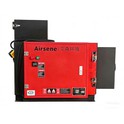
Hey there! As a supplier of oil mist collectors, I've seen firsthand how the airflow rate can have a huge impact on the performance of these machines. In this blog, I'm gonna break down how airflow rate affects the efficiency, maintenance, and overall effectiveness of an oil mist collector.
What is Airflow Rate?
Before we dive into how airflow rate affects an oil mist collector, let's first understand what airflow rate is. Airflow rate, measured in cubic feet per minute (CFM), refers to the volume of air that moves through the collector in a minute. It's a crucial factor because it determines how fast the collector can capture and remove oil mist from the air.
Impact on Collection Efficiency
The airflow rate has a direct impact on the collection efficiency of an oil mist collector. If the airflow rate is too low, the collector won't be able to capture all the oil mist in the air. This means that some of the mist will escape into the environment, leading to poor air quality and potential health hazards for workers.
On the other hand, if the airflow rate is too high, it can cause the oil mist to be blown through the collector without being properly captured. This not only reduces the collection efficiency but also increases the wear and tear on the collector's components.
So, finding the right airflow rate is essential for optimal collection efficiency. It's like Goldilocks and the Three Bears - you want it to be just right.
Effect on Pressure Drop
Another important aspect to consider is the pressure drop across the oil mist collector. Pressure drop is the difference in pressure between the inlet and the outlet of the collector. A higher airflow rate generally results in a higher pressure drop.
When the pressure drop is too high, it can put a strain on the collector's fan and motor, leading to increased energy consumption and potential mechanical failures. It can also reduce the overall efficiency of the collector.
To maintain a reasonable pressure drop, it's important to choose an oil mist collector with the appropriate airflow rate for your specific application. You can also use filters and other components that are designed to minimize pressure drop.
Influence on Maintenance
The airflow rate can also affect the maintenance requirements of an oil mist collector. A higher airflow rate can cause more dust and debris to be drawn into the collector, which can clog the filters and reduce the collector's performance.
Regular maintenance, such as cleaning or replacing the filters, is essential to ensure the collector continues to operate effectively. However, if the airflow rate is too high, you may find yourself having to perform maintenance more frequently.
On the flip side, a lower airflow rate may result in less dust and debris being drawn into the collector, reducing the maintenance requirements. But if the airflow rate is too low, it can lead to poor collection efficiency, as mentioned earlier.
Airflow Rate and Different Types of Oil Mist Collectors
Not all oil mist collectors are created equal, and different types may have different optimal airflow rates. For example, High Efficiency Electrostatic Oil Mist Collector uses electrostatic forces to capture oil mist. These collectors typically require a specific airflow rate to ensure the electrostatic fields work effectively.
Industrial Fume Extractor are designed to remove fumes and oil mist from industrial environments. They often need a higher airflow rate to handle the larger volume of air and contaminants.
Oil Fume Purifier are used to clean oil fumes and improve air quality. The optimal airflow rate for these purifiers depends on the size of the area being purified and the amount of oil mist present.
Determining the Right Airflow Rate
So, how do you determine the right airflow rate for your oil mist collector? It depends on several factors, including the size of the workspace, the type of machinery being used, and the amount of oil mist generated.
One way to determine the airflow rate is to calculate the volume of the workspace and then multiply it by the recommended air changes per hour. For example, if you have a workspace that is 1000 cubic feet and the recommended air changes per hour is 6, you would need an airflow rate of 6000 CFM.
However, this is just a rough estimate, and it's always a good idea to consult with a professional to ensure you're choosing the right airflow rate for your specific needs.


Conclusion
In conclusion, the airflow rate plays a crucial role in the performance of an oil mist collector. It affects the collection efficiency, pressure drop, and maintenance requirements of the collector. By choosing the right airflow rate, you can ensure that your oil mist collector operates effectively, improves air quality, and protects the health of your workers.
If you're in the market for an oil mist collector or have any questions about airflow rates, don't hesitate to reach out. We're here to help you find the perfect solution for your needs. Let's work together to create a cleaner, safer working environment.
References
- Some industry research papers on oil mist collector performance
- Manufacturer's guidelines for oil mist collectors