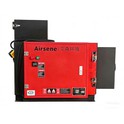
Hey there! As a supplier of Centralized Oil Mist Extractors, I'm super stoked to chat with you about one of the key components in these machines: the pre - filter. In this blog, I'll break down what the pre - filter does and why it's so important.
Let's start with the basics. A centralized oil mist extractor is a device that's used to remove oil mist, fumes, and smoke from industrial environments. These extractors are crucial in industries such as metalworking, machining, and manufacturing, where oil mist is a common by - product of the production process. And the pre - filter is the first line of defense in these machines.
What Exactly Does the Pre - Filter Do?
The main function of the pre - filter in a centralized oil mist extractor is to capture large particles and debris. When the oil mist and fumes enter the extractor, the pre - filter acts like a net, stopping the bigger stuff before it can reach the more sensitive and expensive components of the extractor.
Think about it this way: if you're trying to clean a big, dirty pond, you'd first use a large net to scoop out the leaves, twigs, and other large debris. That's exactly what the pre - filter does. It gets rid of things like metal shavings, dust, and large oil droplets. By doing this, it helps to protect the main filter and the internal components of the extractor from getting clogged or damaged.
Protecting the Main Filter
The main filter in a centralized oil mist extractor is designed to capture the fine oil mist particles. If the pre - filter wasn't there, all those large particles would quickly clog the main filter, reducing its efficiency and lifespan. The pre - filter takes the brunt of the large - particle filtration, allowing the main filter to focus on the smaller, more difficult - to - capture oil mist particles. This means that the main filter can work more effectively and last longer, saving you money on filter replacements.
Extending the Lifespan of the Extractor
In addition to protecting the main filter, the pre - filter also helps to extend the overall lifespan of the centralized oil mist extractor. When large particles enter the extractor without being filtered out, they can cause wear and tear on the fan, motor, and other internal components. Over time, this can lead to breakdowns and costly repairs. By removing these large particles early on, the pre - filter reduces the stress on the extractor's components, keeping the machine running smoothly for longer.
Types of Pre - Filters
There are several types of pre - filters used in centralized oil mist extractors, each with its own advantages.
Mesh Pre - Filters
Mesh pre - filters are one of the most common types. They're made of a fine mesh material that allows air to pass through while trapping large particles. Mesh pre - filters are relatively inexpensive and easy to clean. You can simply remove them from the extractor and wash them with water or a mild detergent. They're great for capturing larger metal shavings and dust particles.
Pleated Pre - Filters
Pleated pre - filters have a larger surface area than mesh pre - filters, which means they can capture more particles. The pleats increase the amount of filter media, allowing for more efficient filtration. Pleated pre - filters are often used in applications where there is a high volume of oil mist and debris. They can be a bit more expensive than mesh pre - filters, but they offer better filtration performance.
Foam Pre - Filters
Foam pre - filters are made of a porous foam material. They're effective at capturing both large and small particles, and they can also absorb oil. Foam pre - filters are easy to clean and can be reused multiple times. They're a good choice for applications where there is a lot of oil mist and where the extractor needs to be able to handle a wide range of particle sizes.


Maintenance of Pre - Filters
Proper maintenance of the pre - filter is essential for the efficient operation of the centralized oil mist extractor. You should regularly check the pre - filter for signs of clogging. If it looks dirty or clogged, it's time to clean or replace it.
Cleaning the pre - filter is usually a simple process. For mesh and foam pre - filters, you can remove them from the extractor and wash them under running water. You can also use a mild detergent to help remove stubborn dirt and oil. Pleated pre - filters may need to be replaced more often, depending on the level of contamination.
By keeping the pre - filter clean, you ensure that it can continue to do its job effectively. A dirty pre - filter can restrict airflow, reducing the performance of the extractor and increasing energy consumption.
The Role of Pre - Filters in Air Quality
Another important aspect of the pre - filter's function is its impact on air quality. In industrial environments, oil mist and fumes can pose a significant health risk to workers. By capturing large particles and debris, the pre - filter helps to improve the air quality in the workplace.
When the pre - filter is working properly, it reduces the amount of contaminants that are released into the air. This not only protects the health of the workers but also helps to comply with environmental regulations. A centralized oil mist extractor with a well - maintained pre - filter can create a safer and healthier work environment.
Conclusion and Call to Action
So, as you can see, the pre - filter in a centralized oil mist extractor plays a crucial role. It protects the main filter, extends the lifespan of the extractor, improves air quality, and reduces maintenance costs.
If you're in the market for a high - quality centralized oil mist extractor, we've got you covered. We offer a range of products, including Industrial Fume Purifier, Industrial Oil Mist Collector, and Industrial Air Purifiers for Smoke. Our extractors are designed with top - notch pre - filters to ensure maximum efficiency and performance.
If you're interested in learning more about our products or have any questions, don't hesitate to reach out. We're here to help you find the perfect solution for your industrial air purification needs. Let's work together to create a cleaner, safer, and more productive work environment.
References
- "Industrial Air Filtration Handbook"
- "Oil Mist Extraction Technology and Applications"