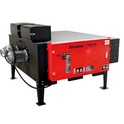
What are the installation requirements for a Vacuum Pump Oil Mist Separator?
As a dedicated supplier of Vacuum Pump Oil Mist Separators, I've witnessed firsthand the importance of proper installation to ensure the optimal performance of these essential devices. In this blog, I'll delve into the key installation requirements for a Vacuum Pump Oil Mist Separator, offering insights and guidance based on my years of experience in the industry.
1. Location Selection
The first step in installing a Vacuum Pump Oil Mist Separator is choosing the right location. The separator should be installed in a well - ventilated area. Good ventilation helps to dissipate the heat generated during the operation of the vacuum pump and the separator itself. A poorly ventilated area can cause the temperature inside the equipment to rise, which may reduce the efficiency of the oil mist separation and even damage the components over time.
It is also crucial to place the separator close to the vacuum pump. This minimizes the length of the connecting pipes, reducing pressure losses and ensuring that the oil mist can be effectively transported from the pump to the separator. Additionally, the location should be easily accessible for maintenance and inspection. You don't want to have to struggle to reach the separator when it's time to change the filters or perform other routine tasks.
2. Mounting
Proper mounting is essential for the stable operation of the Vacuum Pump Oil Mist Separator. The separator should be mounted on a flat and sturdy surface. A wobbly or uneven surface can cause vibrations during operation, which may lead to premature wear and tear of the components and even affect the separation efficiency.
Most separators come with mounting holes or brackets. Make sure to use the appropriate fasteners and follow the manufacturer's instructions for mounting. If the separator is to be installed in a vertical position, ensure that it is properly secured to prevent it from tipping over.
3. Piping Installation
The piping connecting the vacuum pump to the oil mist separator is a critical part of the installation. The pipes should be of the correct diameter to ensure smooth flow of the oil mist. A pipe that is too small can cause excessive pressure drop, while a pipe that is too large may not provide sufficient velocity for the oil mist to reach the separator effectively.
The pipes should be installed with as few bends as possible. Each bend in the pipe can cause additional pressure losses and may disrupt the flow of the oil mist. If bends are necessary, use smooth - radius bends to minimize the impact on the flow.
It is also important to ensure that the pipes are properly sealed. Leaks in the piping can lead to a loss of oil mist and reduce the efficiency of the separator. Use appropriate sealing materials, such as gaskets or O - rings, to prevent leaks.
4. Electrical Connections (if applicable)
Some Vacuum Pump Oil Mist Separators may require electrical connections for functions such as monitoring or control. If your separator has electrical components, make sure to follow the electrical installation instructions carefully.
The electrical connections should be made by a qualified electrician to ensure safety. The power supply should be of the correct voltage and frequency as specified by the manufacturer. Additionally, proper grounding is essential to prevent electrical hazards.
5. Filter Installation
The filters in a Vacuum Pump Oil Mist Separator are the key components for separating the oil mist from the air. When installing the filters, make sure to handle them with care to avoid damage.
Follow the manufacturer's instructions for filter installation. The filters should be installed in the correct orientation, and the seals should be properly seated to prevent bypass of the oil mist. Regularly check the filters for clogging and replace them as recommended to maintain the efficiency of the separator.
6. Testing and Commissioning
After the installation is complete, it is crucial to conduct a thorough test and commissioning process. Start by checking all the connections, including the piping, electrical connections, and mounting. Make sure everything is tight and secure.
Then, start the vacuum pump and the oil mist separator. Monitor the operation of the equipment, including the pressure, flow rate, and temperature. Check for any abnormal noises or vibrations. If any issues are detected, stop the equipment immediately and troubleshoot the problem.
During the commissioning process, also check the oil collection system. Ensure that the separated oil is being collected properly and that there are no leaks in the oil collection container.


Why Choose Our Vacuum Pump Oil Mist Separators
Our company offers high - quality Vacuum Pump Oil Mist Separators that are designed to meet the diverse needs of our customers. Our separators are made with advanced technology and high - quality materials, ensuring reliable performance and long - term durability.
We also provide comprehensive installation and after - sales support. Our team of experts can assist you with the installation process, ensuring that your separator is installed correctly and operates efficiently.
If you are interested in our Vacuum Pump Oil Mist Separator, we also offer related products such as Molding Machine Smoke Collector and Mist Collector for Cnc Machines.
If you have any questions about the installation requirements or would like to discuss your specific needs, please feel free to contact us. We are ready to provide you with the best solutions and support for your oil mist separation needs.
References
- Industry standards and guidelines for vacuum pump and oil mist separator installation.
- Manufacturer's installation manuals for Vacuum Pump Oil Mist Separators.