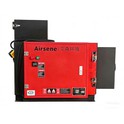
As a supplier of Industrial Smoke Purifiers, I've witnessed firsthand the intricate relationship between the ventilation system in industrial areas and the performance of these purifiers. The ventilation system plays a crucial role in the overall efficiency and effectiveness of an Industrial Smoke Purifier, and understanding this impact is essential for ensuring optimal air quality in industrial settings.
The Basics of Industrial Smoke Purifiers
Industrial Smoke Purifiers are designed to remove harmful pollutants, such as smoke, dust, and fumes, from the air in industrial environments. These purifiers use a variety of filtration technologies, including mechanical filters, electrostatic precipitators, and activated carbon filters, to capture and remove contaminants from the air. The performance of an Industrial Smoke Purifier is typically measured in terms of its filtration efficiency, airflow rate, and noise level.
The Role of the Ventilation System
The ventilation system in an industrial area serves several important functions. First, it helps to remove stale air and replace it with fresh air, which is essential for maintaining a healthy and comfortable working environment. Second, it helps to control the temperature and humidity levels in the industrial area, which can have a significant impact on the performance of the Industrial Smoke Purifier. Finally, the ventilation system helps to distribute the clean air throughout the industrial area, ensuring that all areas are adequately ventilated.
Impact on Filtration Efficiency
The ventilation system can have a significant impact on the filtration efficiency of an Industrial Smoke Purifier. If the ventilation system is not properly designed or maintained, it can cause the air to flow unevenly through the purifier, resulting in reduced filtration efficiency. For example, if the ventilation system is not providing enough air flow to the purifier, the purifier may not be able to capture all of the pollutants in the air. On the other hand, if the ventilation system is providing too much air flow, it can cause the pollutants to bypass the purifier, resulting in reduced filtration efficiency.
Impact on Airflow Rate
The ventilation system can also have a significant impact on the airflow rate of an Industrial Smoke Purifier. If the ventilation system is not providing enough air flow to the purifier, the purifier may not be able to operate at its maximum capacity, resulting in reduced airflow rate. On the other hand, if the ventilation system is providing too much air flow, it can cause the purifier to operate at a higher than normal capacity, which can result in increased energy consumption and reduced lifespan of the purifier.
Impact on Noise Level
The ventilation system can also have a significant impact on the noise level of an Industrial Smoke Purifier. If the ventilation system is not properly designed or maintained, it can cause the purifier to operate at a higher than normal noise level. This can be a significant problem in industrial settings, where noise can be a major source of discomfort and distraction for workers.
Importance of Proper Ventilation System Design
To ensure optimal performance of an Industrial Smoke Purifier, it is essential to have a properly designed and maintained ventilation system. This includes ensuring that the ventilation system is providing enough air flow to the purifier, that the air flow is evenly distributed throughout the purifier, and that the ventilation system is not causing any excessive noise.
Types of Ventilation Systems
There are several types of ventilation systems that can be used in industrial areas, including natural ventilation, mechanical ventilation, and hybrid ventilation. Natural ventilation relies on the natural movement of air to provide ventilation, while mechanical ventilation uses fans and ducts to move air. Hybrid ventilation combines the benefits of natural and mechanical ventilation.
Considerations for Ventilation System Design
When designing a ventilation system for an industrial area, there are several factors that need to be considered, including the size and layout of the industrial area, the type of pollutants being generated, the number of workers in the area, and the local climate. It is also important to ensure that the ventilation system is compliant with all relevant safety and environmental regulations.
Benefits of a Properly Designed Ventilation System
A properly designed ventilation system can provide several benefits, including improved air quality, reduced energy consumption, and increased comfort for workers. It can also help to extend the lifespan of the Industrial Smoke Purifier and reduce the risk of equipment failure.


Conclusion
In conclusion, the ventilation system in an industrial area plays a crucial role in the performance of an Industrial Smoke Purifier. By ensuring that the ventilation system is properly designed and maintained, you can help to ensure optimal performance of the purifier and improve the air quality in your industrial area. If you are in need of an Industrial Smoke Purifier or have any questions about ventilation system design, please feel free to [initiate a discussion with our team]. We would be happy to assist you in finding the best solution for your needs.
References
- American Industrial Hygiene Association. (2023). Industrial Ventilation: A Manual of Recommended Practice.
- Occupational Safety and Health Administration. (2023). Ventilation in the Workplace.
- Oil Fume Purifier
- Molding Machine Smoke Collector
- Vacuum Pump Oil Mist Separator