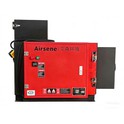
In the realm of industrial manufacturing, machine tool oil mist separators play a pivotal role in maintaining a clean and healthy working environment. As a leading supplier of Machine Tool Oil Mist Separators, I have witnessed firsthand the significance of every component within these systems. One such crucial component is the pre - filter, which serves multiple functions that are essential for the overall performance and longevity of the oil mist separator.
Understanding the Basics of Machine Tool Oil Mist Separators
Before delving into the role of the pre - filter, it's important to understand what a machine tool oil mist separator is. A Machine Tool Oil Mist Separator is a device designed to remove oil mist and smoke generated during machining processes. These mists and smokes are not only harmful to the health of workers but can also damage machinery and contaminate the working environment.
The separator works by capturing the oil mist and separating it into its components: oil and clean air. The clean air is then released back into the environment, while the collected oil can be recycled or disposed of properly. This process helps to improve air quality, reduce maintenance costs, and increase the lifespan of the machine tools.
The Role of the Pre - Filter
The pre - filter is the first line of defense in a machine tool oil mist separator. It is typically located at the inlet of the separator and is designed to capture large particles and debris before they reach the main filtration system. Here are some of the key roles of the pre - filter:


1. Protecting the Main Filter
The main filter in a machine tool oil mist separator is responsible for capturing the fine oil mist particles. However, if large particles and debris are allowed to reach the main filter, they can quickly clog it, reducing its efficiency and lifespan. The pre - filter acts as a barrier, preventing these large particles from reaching the main filter. By doing so, it helps to extend the life of the main filter, reducing the frequency of filter replacements and saving on maintenance costs.
2. Improving Separation Efficiency
The pre - filter helps to improve the overall separation efficiency of the oil mist separator. By removing large particles and debris early in the process, it allows the main filter to focus on capturing the fine oil mist particles. This results in a more efficient separation process, ensuring that a higher percentage of the oil mist is removed from the air.
3. Reducing Pressure Drop
A clogged filter can cause a significant pressure drop in the oil mist separator. This can reduce the airflow through the system, leading to decreased performance. The pre - filter helps to prevent this by capturing large particles and debris, which reduces the likelihood of the main filter becoming clogged. As a result, the pressure drop across the system is minimized, ensuring that the separator operates at optimal efficiency.
4. Protecting the Fan and Other Components
In addition to protecting the main filter, the pre - filter also helps to protect other components of the oil mist separator, such as the fan. Large particles and debris can cause damage to the fan blades, reducing their efficiency and increasing the risk of breakdown. By capturing these particles before they reach the fan, the pre - filter helps to extend the lifespan of the fan and other components, reducing maintenance costs and downtime.
Types of Pre - Filters
There are several types of pre - filters available for machine tool oil mist separators, each with its own advantages and disadvantages. Some of the most common types include:
1. Mesh Filters
Mesh filters are made of a fine mesh material that is designed to capture large particles and debris. They are relatively inexpensive and easy to clean, making them a popular choice for many applications. However, they may not be as effective at capturing smaller particles as other types of filters.
2. Pleated Filters
Pleated filters have a larger surface area than mesh filters, which allows them to capture more particles. They are more effective at capturing smaller particles and are often used in applications where a high level of filtration is required. However, they are more expensive than mesh filters and may require more frequent replacement.
3. Activated Carbon Filters
Activated carbon filters are designed to remove odors and volatile organic compounds (VOCs) from the air. They are often used in conjunction with other types of filters to provide a more comprehensive filtration solution. However, they are relatively expensive and may need to be replaced more frequently than other types of filters.
Selecting the Right Pre - Filter
When selecting a pre - filter for a machine tool oil mist separator, it's important to consider several factors, including the type of machining process, the size and concentration of the oil mist particles, and the operating environment. Here are some tips to help you select the right pre - filter:
1. Consider the Particle Size
The size of the particles that need to be captured is one of the most important factors to consider when selecting a pre - filter. If the particles are relatively large, a mesh filter may be sufficient. However, if the particles are smaller, a pleated or activated carbon filter may be required.
2. Evaluate the Operating Environment
The operating environment can also have an impact on the performance of the pre - filter. If the environment is dusty or dirty, a pre - filter with a higher filtration efficiency may be required. Additionally, if the environment is humid, a filter that is resistant to moisture may be necessary.
3. Consider the Cost
The cost of the pre - filter is another important factor to consider. While it's important to select a filter that provides the necessary level of filtration, it's also important to consider the cost of the filter and the frequency of replacement.
Conclusion
In conclusion, the pre - filter plays a crucial role in the performance and longevity of a machine tool oil mist separator. By protecting the main filter, improving separation efficiency, reducing pressure drop, and protecting other components, the pre - filter helps to ensure that the separator operates at optimal efficiency. When selecting a pre - filter, it's important to consider the type of machining process, the size and concentration of the oil mist particles, and the operating environment.
If you are in the market for a Machine Tool Oil Mist Collector or a Filter Mist Collector, we are here to help. Our team of experts can assist you in selecting the right pre - filter and oil mist separator for your specific needs. Contact us today to discuss your requirements and learn more about our products and services.
References
- Industrial Filtration Handbook, Second Edition, by Klaus L. Kister
- Air Pollution Control Engineering, by David A. Vallero