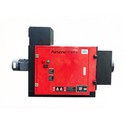
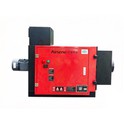
Hey there! As a supplier of Industrial Fume Extractors, I often get asked about the maximum temperature these machines can handle. It's a crucial question, especially when you're dealing with high - heat industrial processes. So, let's dive right in and explore this topic.
First off, it's important to understand that different types of industrial fume extractors have different temperature limits. The materials used in their construction play a huge role in determining how much heat they can withstand. For example, some of our basic models are made of standard steel and plastics. These are great for general - purpose applications where the temperatures are relatively low, say up to around 100°C (212°F).
But if you're working in an environment where the heat is cranked up, like in foundries or metal - smelting operations, you're going to need a more heavy - duty fume extractor. Our high - end models are built with heat - resistant materials such as stainless steel and special heat - treated alloys. These can handle temperatures well above 200°C (392°F), and in some cases, even up to 500°C (932°F).
Let's talk a bit about the components of an industrial fume extractor and how they react to high temperatures. The filter is one of the most critical parts. If the temperature gets too high, the filter media can break down, losing its effectiveness in capturing fumes and particles. That's why we use high - temperature filter materials in our extractors designed for extreme heat environments. These filters are made from materials like ceramic fibers or high - temperature polymers that can maintain their integrity even at elevated temperatures.
The fan is another component that needs to be able to handle the heat. A fan that overheats can malfunction, reducing the airflow and the overall performance of the fume extractor. Our fans are designed with heat - resistant bearings and motors that can operate efficiently in high - temperature conditions.
Now, let's consider the impact of high temperatures on the overall performance of the fume extractor. When the temperature rises, the air density decreases. This can affect the airflow rate and the pressure within the system. Our engineers have designed our extractors to compensate for these changes. They use advanced control systems that adjust the fan speed and other parameters to ensure consistent performance, even when the temperature fluctuates.


If you're in an industry where high - temperature fumes are a concern, you might want to check out our Electrostatic Smoke Purifier. This purifier is designed to handle a wide range of temperatures and is very effective at removing smoke and fumes from the air. It uses an electrostatic charge to attract and capture particles, making it a great choice for industrial applications.
Another option is our Industrial Fume Purifier. This purifier is built to handle high - volume fume extraction in industrial settings. It can withstand high temperatures and is equipped with a powerful filtration system to ensure clean air.
And for those dealing with oil mist and high - temperature environments, our ESP Oil Mist Separator is a top - notch solution. It uses electrostatic precipitation technology to separate oil mist from the air, and it's designed to operate efficiently in high - heat conditions.
So, how do you determine the right temperature rating for your industrial fume extractor? Well, it all depends on your specific application. You need to consider the type of industrial process you're involved in, the temperature of the fumes being generated, and the volume of fumes. If you're not sure, our team of experts is here to help. We can analyze your situation and recommend the best fume extractor for your needs.
In conclusion, the maximum temperature an industrial fume extractor can handle varies depending on its design and construction. Whether you're dealing with low - heat or high - heat applications, we have a solution for you. If you're interested in learning more about our products or have any questions about temperature ratings, don't hesitate to reach out. We're here to help you find the perfect industrial fume extractor for your business.
References:
- Industrial Fume Extractor Technical Manuals
- Research on High - Temperature Materials for Industrial Equipment