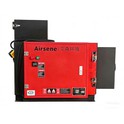
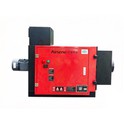
Shell and frame design
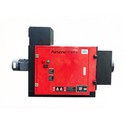
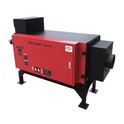
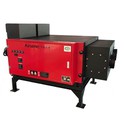
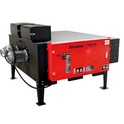
The shell of the fume purifier is usually made of metal materials, such as stainless steel or aluminum alloy, which have good corrosion resistance and mechanical strength, and can adapt to the humid and high temperature conditions that may exist in the kitchen environment. The design of the case not only focuses on aesthetics, but also emphasizes practicality and safety. The frame structure is often precisely calculated to ensure that the equipment remains stable during operation, reducing vibration and noise. The tightness of the housing is also a key design point, effectively preventing oil fume leakage while protecting the internal components from the external environment. Some designs also take into account easy-to-clean finishes, making routine maintenance more convenient.
Filtration system structure
The filtration system is the core part of the fume purifier, and its structural design directly determines the purification effect. Common filtration systems include multi-stage filtration units, each with a specific function. Primary filtration typically uses metal mesh or similar materials to capture larger oil droplets and particulate matter. This stage of filtration has a simple structure but can effectively reduce the burden on subsequent filtration layers. Intermediate filtration may involve electrostatic adsorption or centrifugal separation techniques to separate tiny oil droplets from the gas stream through electric fields or mechanical forces. The advanced filter layer further purifies the air and removes finer pollutants. The structural design of the entire filtration system focuses on the uniformity of airflow distribution, ensuring that the oil fumes are adequately treated as they pass through each stage of filtration, while avoiding the decrease in purification efficiency caused by uneven airflow.
Dynamic design of fans and air flow
The fan is the power source of the fume purifier, and its structural design is crucial to the overall performance of the equipment. The fan is usually located at the rear end of the purifier and is responsible for drawing in oil fumes and pushing them through the filtration system. When designing, engineers consider the fan's rotational speed, blade shape, and mounting position to optimize airflow efficiency. The airflow dynamics are designed to reduce energy loss and improve the suction and exhaust effect. For example, by calculating the streamlined air duct, the airflow resistance can be reduced so that the oil fumes can pass smoothly through the filtration system. Noise control in fans is also an important aspect, with modern designs often incorporating shock-absorbing materials and optimized blade angles to reduce sound during operation and enhance user experience.
Electrical control system
The electrical control system is the "brain" of the fume purifier and is responsible for coordinating the operation of various components. Its structural design includes circuit boards, sensors, and control units. Circuit boards often feature modular designs, allowing for easy maintenance and upgrades. Sensors are used to monitor parameters such as oil fume concentration, airflow velocity, and adjust the working status of the equipment based on real-time data. The control unit allows the user to operate the device through a simple interface, such as adjusting the wind speed or timing switches. The design of the electrical system emphasizes safety and reliability, for example, overload protection and short-circuit protection functions can prevent damage to the equipment in abnormal situations. Energy-efficient design is also a trend in modern fume purifiers, reducing unnecessary energy consumption through intelligent control.
Oil collection and drainage devices
During the purification process, the oil in the oil fume will gradually accumulate, so the design of the oil collection device is particularly important. This part typically includes an oil sump and an oil conductive structure that efficiently collects the separated oilIt drips and directs the flow into a designated container. Structurally, the oil collection device is often designed in a slanted or funnel shape to facilitate the natural flow of oil and prevent blockage. The drainage device is used to handle any condensate or other liquids that may be produced, ensuring the interior of the equipment remains dry. The material selection for these components should consider oil resistance and ease of cleaning to extend service life and simplify maintenance procedures.
Dec 18, 2025
Structural characteristics of mobile industrial fume purifier
Send Inquiry