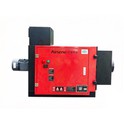
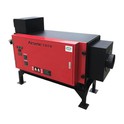
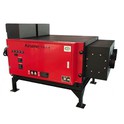
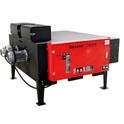
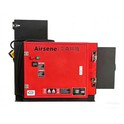
The global market for oil fume purification systems is experiencing steady growth, driven by increasing environmental awareness, stricter regulations, and the need for cleaner, safer industrial operations. As industries such as automotive, aerospace, and manufacturing face growing pressure to reduce their emissions and improve air quality, the demand for advanced oil fume purification systems has become more pronounced.
Market Demand Drivers
The demand for oil fume purification systems is influenced by several key factors, including:
Environmental Regulations: As governments worldwide impose stricter environmental regulations, industries are increasingly required to install air purification systems to comply with emissions standards. These regulations are particularly stringent in countries such as the U.S., Europe, and China, where air quality and worker safety are given top priority.
Worker Health and Safety: Oil fumes are a known hazard in industrial settings, and many industries are prioritizing employee health and safety. Implementing oil fume purification systems helps businesses protect workers from exposure to harmful fumes, reducing the risk of respiratory illnesses and improving overall workforce productivity.
Technological Advancements: Recent developments in oil fume purification technology, such as the introduction of energy-efficient filters and IoT-enabled monitoring systems, are driving the adoption of these systems. These advancements help industries reduce operating costs while maintaining high levels of filtration efficiency.
Sustainability and Corporate Responsibility: As part of a broader push for sustainability, many companies are integrating oil fume purification systems into their operations to reduce their environmental impact. Companies that use these systems demonstrate a commitment to sustainable practices, which can enhance their reputation and attract environmentally conscious customers.
Competitive Landscape
The market for oil fume purification systems is highly competitive, with a growing number of suppliers offering a wide range of solutions. These systems vary in terms of filtration capacity, energy efficiency, maintenance requirements, and cost, allowing businesses to select the system that best meets their specific needs.
Leading Suppliers: Companies like Camfil, Donaldson, and CECO Environmental are key players in the market, offering advanced oil fume purification solutions for a variety of industries. These companies invest heavily in research and development to ensure that their systems meet evolving regulatory standards and address the unique needs of industrial operations.
Emerging Players: Smaller, innovative companies are also entering the market, offering niche solutions that cater to specific industrial applications. These emerging players often focus on developing cost-effective and customizable systems that are tailored to the needs of smaller businesses or specific sectors.
Key Market Trends
Energy Efficiency: With rising energy costs and increased environmental concerns, energy-efficient oil fume purification systems are becoming more popular. Systems that use less power while providing high-performance filtration are in high demand, as they help businesses reduce their operating costs and carbon footprint.
Integration with Smart Technology: Many modern systems are now integrated with IoT technology, allowing for real-time monitoring and performance optimization. This trend is expected to continue as more industries seek to leverage data to improve operational efficiency and meet regulatory requirements.
Global Expansion: As manufacturing hubs move to developing countries, the demand for oil fume purification systems is expanding in regions such as Southeast Asia, India, and Latin America. These regions are experiencing rapid industrialization, and businesses are increasingly adopting air purification systems to meet environmental standards and improve workplace conditions.
Market Challenges
Despite the growing demand for oil fume purification systems, there are several challenges that companies in the market must navigate:
High Initial Investment: The upfront cost of installing an oil fume purification system can be significant, especially for small to medium-sized businesses. Although these systems often pay for themselves in the long run, the initial investment remains a barrier for some companies.
Maintenance Costs: While modern systems are designed to be more efficient and require less maintenance, the cost of replacing filters and servicing the system can add up over time, especially in high-output environments.
Regulatory Compliance: As regulations evolve, companies must continuously update their systems to ensure compliance. This can be challenging for businesses that are not equipped to handle the complexity of changing regulations, especially in countries with dynamic environmental standards.
Conclusion
The demand for oil fume purification systems is poised for continued growth, driven by stricter environmental regulations, greater focus on worker health and safety, and advancements in filtration technology. As the market becomes more competitive, businesses must carefully evaluate their needs and select the right system to ensure compliance, protect employees, and enhance operational efficiency.