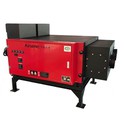
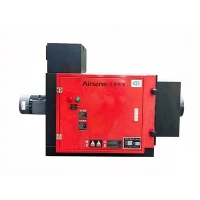
Hey there! I'm a supplier of Industrial Oil Mist Collectors, and today I want to dig into a question that often comes up: Can an industrial oil mist collector be used in the ceramic industry?
Let's start by understanding what an industrial oil mist collector is. An Industrial Oil Mist Collector is a device designed to capture and remove oil mist, fumes, and particulate matter from the air in industrial settings. It works by using various filtration technologies to separate the oil mist from the air, ensuring a cleaner and safer working environment.
Now, let's look at the ceramic industry. The ceramic manufacturing process involves several steps, including raw material preparation, forming, firing, and glazing. Each of these steps can generate different types of pollutants, such as dust, fumes, and oil mist. For example, in the forming process, lubricants and coolants are often used, which can create oil mist. In the firing process, high temperatures can cause the release of fumes and particulate matter.
So, can an industrial oil mist collector be used in the ceramic industry? The answer is yes! Here's why:
1. Air Quality Improvement
One of the primary benefits of using an industrial oil mist collector in the ceramic industry is improved air quality. By removing oil mist, fumes, and particulate matter from the air, the collector helps to create a healthier and safer working environment for employees. This can reduce the risk of respiratory problems, such as asthma and bronchitis, and improve overall productivity.
2. Equipment Protection
Oil mist can also cause damage to equipment in the ceramic industry. When oil mist settles on machinery, it can cause corrosion, wear and tear, and reduced efficiency. By using an industrial oil mist collector, you can prevent oil mist from accumulating on equipment, extending its lifespan and reducing maintenance costs.
3. Regulatory Compliance
Many countries and regions have strict regulations regarding air quality in industrial settings. By using an industrial oil mist collector, you can ensure that your ceramic manufacturing facility complies with these regulations. This can help you avoid fines and legal issues, and demonstrate your commitment to environmental sustainability.
4. Cost Savings
In addition to improving air quality and protecting equipment, using an industrial oil mist collector can also result in cost savings. By reducing the amount of oil mist in the air, you can reduce the need for expensive ventilation systems and air purifiers. You can also save on energy costs by improving the efficiency of your equipment.


Now that we've established that an industrial oil mist collector can be used in the ceramic industry, let's take a look at some of the different types of collectors available.
Electrostatic Oil Mist Collector
An Electrostatic Oil Mist Collector uses an electrostatic charge to capture and remove oil mist from the air. This type of collector is highly efficient and can remove up to 99% of oil mist particles. It is also relatively low maintenance and can be used in a variety of industrial settings.
Electrostatic Oil Mist Separator
An Electrostatic Oil Mist Separator is similar to an electrostatic oil mist collector, but it is designed to separate oil from water. This type of separator is often used in industries where oil and water are mixed, such as the metalworking and automotive industries.
When choosing an industrial oil mist collector for your ceramic manufacturing facility, it's important to consider several factors, including the type and amount of oil mist generated, the size of your facility, and your budget. You should also look for a collector that is easy to install, operate, and maintain.
In conclusion, an industrial oil mist collector can be a valuable investment for the ceramic industry. By improving air quality, protecting equipment, ensuring regulatory compliance, and saving costs, it can help you create a safer and more efficient working environment. If you're interested in learning more about our industrial oil mist collectors or have any questions, please don't hesitate to contact us. We'd be happy to help you find the right solution for your needs.
References:
- Industrial Ventilation: A Manual of Recommended Practice, American Conference of Governmental Industrial Hygienists (ACGIH)
- Air Pollution Control Technology Fact Sheet: Oil Mist Collectors, U.S. Environmental Protection Agency (EPA)