In modern industrial settings, maintaining high - quality air is not only crucial for the well - being of workers but also for the overall efficiency and longevity of machinery. As a leading supplier of centralized oil mist extractors, I have witnessed firsthand how these devices can significantly improve air quality in factories.
The Problem of Oil Mist in Factories
In manufacturing plants, especially those involved in metalworking, machining, and other processes that use lubricants and coolants, oil mist is a common by - product. When cutting fluids, lubricants, or coolants are used in high - speed machinery, they can be atomized into tiny droplets that float in the air. These oil mists can pose several problems.
Firstly, from a health perspective, inhaling oil mist can lead to a variety of respiratory problems for workers. Prolonged exposure to oil mist has been linked to conditions such as asthma, bronchitis, and even lung cancer. Workers in factories with high levels of oil mist are at a greater risk of developing these health issues, which can result in increased absenteeism and decreased productivity.
Secondly, oil mist can also have a negative impact on machinery. The fine droplets can settle on equipment surfaces, causing corrosion, reducing the efficiency of moving parts, and increasing the frequency of maintenance. This not only leads to higher maintenance costs but also can cause unexpected breakdowns, disrupting the production process.
How Centralized Oil Mist Extractors Work
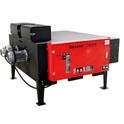
A centralized oil mist extractor is a comprehensive solution designed to address the issue of oil mist in factories. Unlike individual or decentralized extraction systems, a centralized system can serve multiple machines simultaneously, making it a more efficient and cost - effective option for large - scale industrial operations.
The basic working principle of a centralized oil mist extractor involves several stages. First, the oil mist is drawn into the extraction system through a network of ducts connected to the machinery. The extractor uses powerful fans to create a negative pressure, which pulls the oil - laden air into the unit.
Once inside the extractor, the air passes through a series of filters. The initial stage often involves a pre - filter, which captures larger particles and debris. This helps to protect the more delicate and expensive filters downstream.
After the pre - filter, the air moves through a high - efficiency filter, such as a HEPA (High - Efficiency Particulate Air) filter. HEPA filters are capable of capturing extremely small particles, including the fine oil droplets in the mist. These filters can remove up to 99.97% of particles as small as 0.3 microns, effectively reducing the concentration of oil mist in the air.
Some advanced centralized oil mist extractors also incorporate additional technologies, such as electrostatic precipitation. Electrostatic oil mist separators, like the ones available at Electrostatic Oil Mist Separator, use an electrostatic field to charge the oil droplets. The charged droplets are then attracted to collector plates, where they are removed from the air stream. This technology can be highly effective in removing even the smallest oil particles, further improving the air quality.
Benefits of Centralized Oil Mist Extractors for Air Quality
One of the most significant benefits of using a centralized oil mist extractor is the substantial improvement in air quality. By removing the oil mist from the air, the extractor reduces the risk of respiratory problems for workers. Cleaner air means fewer sick days and a healthier workforce, which in turn leads to increased productivity.
In addition to the health benefits, a centralized oil mist extractor also helps to protect the factory environment. With less oil mist in the air, there is less chance of oil settling on floors, walls, and equipment. This reduces the risk of slips and falls, as well as the need for frequent cleaning and maintenance.
Moreover, the improved air quality can have a positive impact on the performance of other equipment in the factory. For example, electronic components are less likely to be damaged by oil - coated surfaces, and the overall lifespan of machinery can be extended.
Comparison with Other Solutions
There are other methods for dealing with oil mist in factories, such as individual extractors or industrial smoke purifiers. While individual extractors can be effective for small - scale operations or specific machines, they are often less efficient and more expensive to maintain when compared to a centralized system.
Industrial smoke purifiers, like the ones available at Industrial Smoke Purifier, are designed to remove smoke and other airborne contaminants. However, they may not be as effective in removing oil mist as a specialized centralized oil mist extractor. Centralized systems are specifically engineered to target oil mist, with filters and technologies optimized for this purpose.
ESP oil mist separators, as described at ESP Oil Mist Separator, are a type of advanced technology that can be integrated into a centralized oil mist extraction system. These separators offer high - efficiency removal of oil mist, especially for fine particles, and can be a valuable addition to a comprehensive air - quality solution.
Real - World Examples
To illustrate the effectiveness of centralized oil mist extractors, let's look at a real - world example. A large metalworking factory was experiencing high levels of oil mist in its production area. Workers were complaining of respiratory problems, and the machinery was showing signs of increased wear and tear. After installing a centralized oil mist extraction system, the air quality in the factory improved significantly.


The concentration of oil mist in the air was reduced by over 90%, and workers reported a decrease in respiratory symptoms. The machinery also required less maintenance, resulting in cost savings for the factory. The overall productivity of the factory increased as a result of the improved working conditions.
Conclusion
In conclusion, a centralized oil mist extractor is an essential tool for improving air quality in factories. By effectively removing oil mist from the air, these systems protect the health of workers, extend the lifespan of machinery, and enhance the overall efficiency of industrial operations.
If you are looking to improve the air quality in your factory and reduce the negative impacts of oil mist, I encourage you to consider investing in a centralized oil mist extraction system. Our company offers a range of high - quality, reliable extractors that can be customized to meet the specific needs of your factory. Contact us to discuss your requirements and explore how our solutions can benefit your business.
References
- Occupational Safety and Health Administration (OSHA). "Respiratory Protection Standard."
- American Conference of Governmental Industrial Hygienists (ACGIH). "Threshold Limit Values for Chemical Substances and Physical Agents."