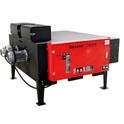
Hey there! As a supplier of Machine Tool Oil Mist Separators, I'm often asked about the regulatory requirements for using these devices. It's a crucial topic, especially for businesses that rely on machine tools and want to ensure they're operating within the law while keeping their work environment safe and clean.
Why Regulatory Requirements Matter
First off, let's talk about why these regulations exist. Machine tool oil mist can be a real health hazard. When oil is atomized during machining processes, it can release tiny droplets into the air. Inhaling these droplets over time can lead to respiratory problems, skin irritation, and other health issues for workers. Plus, oil mist can also damage equipment and contaminate the workplace, leading to increased maintenance costs and reduced productivity.
Regulatory requirements are in place to protect workers' health and safety, as well as the environment. By following these regulations, businesses can avoid fines, legal issues, and potential harm to their employees.
Types of Regulatory Requirements
There are several types of regulatory requirements that businesses need to be aware of when using a machine tool oil mist separator.
Occupational Safety and Health Administration (OSHA)
In the United States, OSHA sets standards for workplace safety, including limits on exposure to oil mist. OSHA's Permissible Exposure Limit (PEL) for mineral oil mist is 5 milligrams per cubic meter of air (mg/m³) as an 8-hour time-weighted average. This means that over an 8-hour workday, the average concentration of oil mist in the air should not exceed 5 mg/m³.
Businesses are required to monitor the air quality in their workplaces to ensure they're meeting these limits. If the oil mist levels exceed the PEL, employers must take steps to reduce the exposure, such as installing an oil mist separator or improving ventilation.
Environmental Regulations
In addition to OSHA regulations, there are also environmental regulations that govern the disposal of oil mist and other contaminants. For example, in many areas, businesses are required to properly collect and dispose of oil mist to prevent it from entering the environment. This may involve using a separator to collect the oil mist and then disposing of the collected oil in a way that complies with local environmental laws.
Industry Standards
Many industries have their own standards and guidelines for using machine tool oil mist separators. For example, the automotive industry may have specific requirements for the efficiency of oil mist separators used in their manufacturing processes. These industry standards can help businesses ensure that their oil mist separators are performing effectively and meeting the specific needs of their operations.
Choosing the Right Oil Mist Separator
When it comes to choosing a machine tool oil mist separator, it's important to consider the regulatory requirements. You need to make sure that the separator you choose is capable of meeting the OSHA limits and any other relevant regulations.
There are several types of oil mist separators available on the market, each with its own advantages and disadvantages. For example, Filter Mist Collector uses filters to capture oil mist, while Industrial Smoke Eater is designed to remove smoke and other airborne contaminants. Another option is the Electric Precipitator Air Cleaner, which uses an electrostatic charge to collect oil mist particles.
When choosing an oil mist separator, you should also consider the size of your machine tools, the type of oil you're using, and the volume of oil mist generated. A professional supplier can help you determine the best separator for your specific needs.
Installation and Maintenance
Once you've chosen the right oil mist separator, it's important to install it correctly and maintain it regularly. Improper installation can reduce the efficiency of the separator and may even lead to compliance issues. Make sure to follow the manufacturer's instructions for installation and ensure that the separator is properly connected to your machine tools.
Regular maintenance is also crucial for ensuring the continued performance of your oil mist separator. This may include replacing filters, cleaning the separator, and checking for any signs of damage or wear. By keeping your separator in good working condition, you can ensure that it's effectively removing oil mist from the air and complying with regulatory requirements.
Monitoring and Compliance
To ensure compliance with regulatory requirements, it's important to monitor the performance of your oil mist separator. This may involve regularly testing the air quality in your workplace to ensure that the oil mist levels are within the permitted limits. You can use air sampling equipment to measure the concentration of oil mist in the air and compare it to the OSHA PEL.
If you find that the oil mist levels are exceeding the limits, you may need to take additional steps to reduce the exposure. This could include adjusting the settings on your oil mist separator, improving ventilation, or using additional filtration devices.
Contact Us for More Information
If you're in the market for a machine tool oil mist separator or have any questions about regulatory requirements, don't hesitate to contact us. We're a leading supplier of oil mist separators and can provide you with the information and support you need to choose the right separator for your business. Whether you're looking for a Filter Mist Collector, an Industrial Smoke Eater, or an Electric Precipitator Air Cleaner, we've got you covered.


Let's work together to ensure that your workplace is safe, clean, and compliant with all regulatory requirements.
References
- Occupational Safety and Health Administration (OSHA). (n.d.). Permissible Exposure Limits (PELs). Retrieved from [OSHA website]
- Environmental Protection Agency (EPA). (n.d.). Regulations for Hazardous Waste Management. Retrieved from [EPA website]
- Industry standards organizations (e.g., automotive industry associations). (n.d.). Standards for Machine Tool Oil Mist Separators. Retrieved from [respective organization websites]