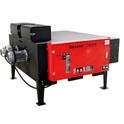
As a supplier of Machine Tool Oil Mist Filters, I've witnessed firsthand the critical role these devices play in maintaining a safe and efficient machining environment. One often overlooked but essential component of these filters is the drain valve. In this blog post, I'll delve into the functions of the drain valve in a machine tool oil mist filter, its importance, and how it contributes to the overall performance of the filtration system.
The Basics of Machine Tool Oil Mist Filters
Before we discuss the drain valve, let's briefly understand the purpose of a machine tool oil mist filter. In machining operations, cutting fluids are used to cool and lubricate the cutting tools and workpieces. These fluids can form oil mists, which are tiny droplets of oil suspended in the air. If not properly controlled, these oil mists can pose health risks to workers, contaminate the workplace, and damage equipment.
Machine tool oil mist filters are designed to capture and remove these oil mists from the air. They typically use a combination of filtration media, such as filters and separators, to separate the oil droplets from the air. The filtered air is then released back into the workplace, while the collected oil is removed from the filter.
The Function of the Drain Valve
The drain valve is a crucial component of the machine tool oil mist filter. Its primary function is to remove the collected oil from the filter. As the oil mist is captured by the filter media, the oil droplets accumulate in the bottom of the filter housing. The drain valve allows this collected oil to be drained out of the filter at regular intervals.
There are several reasons why the drain valve is so important:
1. Preventing Filter Clogging
If the collected oil is not removed from the filter, it can accumulate and clog the filter media. This can reduce the efficiency of the filter and increase the pressure drop across the filter. As a result, the filter may need to be replaced more frequently, which can be costly. By draining the oil regularly, the drain valve helps to prevent filter clogging and ensures that the filter operates at its optimal efficiency.
2. Maintaining Air Quality
The collected oil in the filter can also contaminate the air if it is not removed. As the air passes through the filter, it can pick up the oil droplets and carry them back into the workplace. This can lead to poor air quality and health risks for workers. By draining the oil, the drain valve helps to maintain the air quality in the workplace and ensures that the filtered air is clean and safe to breathe.
3. Extending the Lifespan of the Filter
Regularly draining the oil from the filter can also extend the lifespan of the filter. By preventing filter clogging and maintaining the efficiency of the filter, the drain valve helps to reduce the wear and tear on the filter media. This can result in longer filter life and lower maintenance costs.
Types of Drain Valves
There are several types of drain valves used in machine tool oil mist filters, each with its own advantages and disadvantages. Some of the most common types include:
1. Manual Drain Valves
Manual drain valves are the simplest and most common type of drain valve. They are operated by hand and require the user to open the valve to drain the oil. Manual drain valves are typically used in smaller filters or in applications where the oil collection rate is relatively low.
2. Automatic Drain Valves
Automatic drain valves are designed to open and close automatically based on a preset time interval or a pressure differential. They are more convenient than manual drain valves as they do not require the user to manually open the valve. Automatic drain valves are typically used in larger filters or in applications where the oil collection rate is relatively high.


3. Float Drain Valves
Float drain valves use a float mechanism to open and close the valve. When the oil level in the filter housing reaches a certain level, the float rises and opens the valve, allowing the oil to drain out. Float drain valves are typically used in applications where the oil collection rate is variable or where the oil level needs to be maintained at a specific level.
Choosing the Right Drain Valve
When choosing a drain valve for your machine tool oil mist filter, there are several factors to consider:
1. Oil Collection Rate
The oil collection rate is the amount of oil that is collected by the filter over a given period of time. If the oil collection rate is high, you may need to choose an automatic drain valve or a float drain valve to ensure that the oil is drained regularly.
2. Filter Size
The size of the filter also affects the choice of drain valve. Larger filters typically require larger drain valves to ensure that the oil can be drained quickly and efficiently.
3. Operating Conditions
The operating conditions of the filter, such as the temperature, pressure, and humidity, can also affect the choice of drain valve. For example, if the filter is operating in a high-temperature environment, you may need to choose a drain valve that is designed to withstand high temperatures.
Importance of Regular Maintenance
In addition to choosing the right drain valve, it is also important to perform regular maintenance on the drain valve and the filter. This includes:
1. Inspecting the Drain Valve
Regularly inspect the drain valve for any signs of damage or wear. If the drain valve is not functioning properly, it may need to be repaired or replaced.
2. Cleaning the Drain Valve
Clean the drain valve regularly to prevent clogging. Use a mild detergent and water to clean the valve, and make sure to rinse it thoroughly.
3. Changing the Filter Media
Regularly change the filter media according to the manufacturer's recommendations. This will help to ensure that the filter is operating at its optimal efficiency and that the drain valve is functioning properly.
Conclusion
The drain valve is a critical component of the machine tool oil mist filter. It plays a crucial role in removing the collected oil from the filter, preventing filter clogging, maintaining air quality, and extending the lifespan of the filter. By choosing the right drain valve and performing regular maintenance, you can ensure that your machine tool oil mist filter is operating at its optimal efficiency and that your workplace is safe and healthy.
If you're in the market for a Machine Tool Oil Mist Filter, CNC Oil Mist Purifier, or Oil Mist Eliminator, we'd be happy to help. Our team of experts can provide you with the information and support you need to choose the right filter for your application. Contact us today to learn more about our products and services and to discuss your specific needs.
References
- "Machine Tool Oil Mist Filtration: A Guide to Best Practices." Industrial Filtration Journal.
- "The Importance of Drain Valves in Machine Tool Oil Mist Filters." Filtration Technology Magazine.
- "Choosing the Right Drain Valve for Your Machine Tool Oil Mist Filter." Manufacturing Engineering Journal.