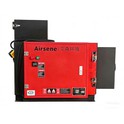
Ensuring the long - term stability of a centralized oil mist extractor is crucial for industrial operations, especially for businesses that rely on these systems to maintain a clean and safe working environment. As a supplier of centralized oil mist extractors, I have witnessed firsthand the challenges and solutions related to the long - term performance of these machines. In this blog, I will share some key strategies and best practices to ensure the long - term stability of a centralized oil mist extractor.


1. Regular Maintenance and Inspection
One of the most fundamental aspects of ensuring the long - term stability of a centralized oil mist extractor is regular maintenance and inspection. Just like any other industrial equipment, oil mist extractors require routine check - ups to identify and address potential issues before they escalate into major problems.
- Filter Replacement: Filters are the heart of an oil mist extractor. Over time, they can become clogged with oil and debris, which reduces the extraction efficiency and puts additional strain on the system. It is essential to follow the manufacturer's recommendations for filter replacement intervals. For example, some high - performance filters may need to be replaced every 3 - 6 months, depending on the operating conditions.
- Component Inspection: Regularly inspect all components of the oil mist extractor, including fans, motors, and electrical connections. Look for signs of wear and tear, such as loose belts, frayed wires, or abnormal vibrations. Any damaged or worn - out parts should be replaced immediately to prevent further damage to the system.
- Cleaning: Keep the interior and exterior of the oil mist extractor clean. Remove any accumulated oil and debris from the collection tray, ducts, and other accessible areas. This not only improves the performance of the extractor but also reduces the risk of fire and other safety hazards.
2. Proper Installation
The installation of a centralized oil mist extractor plays a significant role in its long - term stability. A poorly installed extractor can lead to a variety of problems, such as reduced efficiency, increased noise levels, and premature component failure.
- Location Selection: Choose a suitable location for the oil mist extractor. It should be installed in a well - ventilated area away from sources of heat, moisture, and dust. The extractor should also be easily accessible for maintenance and inspection.
- Ductwork Design: Proper ductwork design is essential for efficient operation. The ducts should be sized correctly to ensure adequate airflow and minimize pressure drop. They should also be installed in a way that minimizes bends and turns, which can cause turbulence and reduce the extraction efficiency.
- Level Installation: Ensure that the oil mist extractor is installed on a level surface. An uneven installation can cause the extractor to vibrate, which can lead to premature wear and tear of the components.
3. Quality Components and Materials
Using high - quality components and materials is another key factor in ensuring the long - term stability of a centralized oil mist extractor. Inferior components may be cheaper initially, but they are more likely to fail prematurely, leading to increased maintenance costs and downtime.
- Filters: Invest in high - quality filters that are designed to effectively capture oil mist and other contaminants. Look for filters with a high filtration efficiency and a long service life.
- Motors and Fans: Choose motors and fans that are reliable and energy - efficient. High - quality motors and fans are less likely to overheat or break down, which can improve the overall performance and longevity of the extractor.
- Structural Materials: The structural materials of the oil mist extractor should be durable and corrosion - resistant. Stainless steel is a popular choice for many oil mist extractors due to its strength and resistance to rust and corrosion.
4. Operator Training
Proper operator training is essential for the long - term stability of a centralized oil mist extractor. Operators should be trained on how to operate the extractor correctly, perform basic maintenance tasks, and identify potential problems.
- Operation Training: Provide operators with comprehensive training on how to start, stop, and adjust the settings of the oil mist extractor. They should also be trained on how to monitor the performance of the extractor and troubleshoot common problems.
- Maintenance Training: Train operators on basic maintenance tasks, such as filter replacement, cleaning, and component inspection. This will help ensure that the extractor is properly maintained and reduce the risk of major breakdowns.
- Safety Training: Emphasize the importance of safety when operating the oil mist extractor. Operators should be trained on how to handle oil and other hazardous materials safely and how to avoid potential safety hazards.
5. Monitoring and Data Analysis
Monitoring the performance of a centralized oil mist extractor is crucial for detecting potential problems early and taking corrective actions. By collecting and analyzing data on the extractor's performance, you can identify trends and patterns that may indicate a problem.
- Performance Metrics: Monitor key performance metrics, such as airflow, pressure drop, and filtration efficiency. These metrics can provide valuable insights into the performance of the extractor and help you identify any issues that need to be addressed.
- Data Logging: Use data logging devices to record the performance data of the extractor over time. This data can be used to analyze trends and patterns and to make informed decisions about maintenance and repairs.
- Remote Monitoring: Consider implementing a remote monitoring system that allows you to monitor the performance of the extractor from a remote location. This can be especially useful for large - scale industrial operations where multiple extractors are installed.
6. Upgrades and Retrofits
As technology advances, it may be necessary to upgrade or retrofit your centralized oil mist extractor to improve its performance and efficiency. Upgrades and retrofits can also help extend the lifespan of the extractor and reduce maintenance costs.
- Filter Upgrades: Consider upgrading to more advanced filters that offer higher filtration efficiency and longer service life. This can improve the performance of the extractor and reduce the frequency of filter replacement.
- Motor and Fan Upgrades: Upgrading to more energy - efficient motors and fans can reduce energy consumption and operating costs. It can also improve the performance of the extractor by providing more airflow and better pressure control.
- Control System Upgrades: Upgrading the control system of the extractor can provide more precise control over the operation of the system. This can improve the efficiency of the extractor and reduce the risk of over - or under - operating the system.
Conclusion
Ensuring the long - term stability of a centralized oil mist extractor requires a comprehensive approach that includes regular maintenance, proper installation, high - quality components, operator training, monitoring, and upgrades. By following these best practices, you can ensure that your oil mist extractor operates efficiently and reliably for many years to come.
If you are interested in learning more about our centralized oil mist extractors or would like to discuss your specific requirements, please feel free to contact us for a consultation. We are committed to providing high - quality products and services to meet the needs of our customers.
For more information on related products, you can visit the following links:
Industrial Air Purifiers for Smoke
Industrial Smoke Purifier
Machine Tool Oil Mist Collector
References
- "Industrial Air Pollution Control Technology Handbook" by David W. Cooper and F. C. Alley
- "Oil Mist Extraction Systems: Design, Installation, and Maintenance" by various industry experts