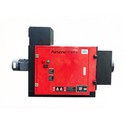
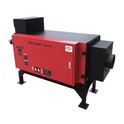
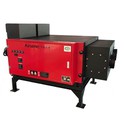
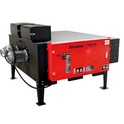
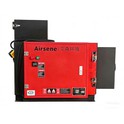
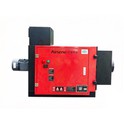
Industrial oil mist purification is a critical environmental technology used in manufacturing facilities to remove airborne oil particles generated during machining processes. This technology helps factories meet emission standards while protecting worker health and equipment longevity. In sectors such as fastener manufacturing, metalworking, and automotive production, industrial oil mist purification has become an essential component of daily operations.
What Is Industrial Oil Mist Purification?
Industrial oil mist purification refers to the process of capturing and filtering oil aerosols, smoke, and fumes produced by CNC machines, cold heading machines, grinding equipment, and heat treatment furnaces. Without proper purification, oil mist can settle on floors, walls, and machinery, creating safety hazards and reducing production efficiency.
How It Supports Modern Manufacturing
The primary goal of industrial oil mist purification is to maintain clean workshop air. This is achieved through various filtration technologies including electrostatic precipitators, mechanical filters, and centrifugal separators. For example, cold heading machine oil fume purification specifically targets the heavy smoke generated when metal fasteners are formed under high pressure. Similarly, machine tool oil mist purification addresses fine particles produced during high-speed cutting and grinding.
Key Industries Relying on This Technology
Industries that benefit most from industrial oil mist purification include fastener factories, automotive parts manufacturers, and general metal processing plants. These sectors generate significant amounts of oil mist daily, making purification systems a necessity rather than an option. By implementing reliable purification solutions, companies reduce maintenance costs, improve workplace safety, and comply with environmental regulations.
Conclusion
Understanding the basics of industrial oil mist purification helps facility managers make informed decisions about air quality management. As manufacturing standards continue to rise, effective oil mist control will remain a fundamental requirement for responsible industrial operations.