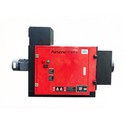
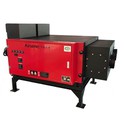
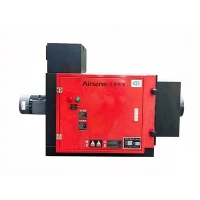
Hey there! As a supplier of centralized oil mist extractors, I often get asked about how to evaluate the performance of these machines. It's a crucial question, especially for businesses that rely on these extractors to keep their working environment clean and safe. In this blog, I'm going to share some key factors that you should consider when evaluating the performance of a centralized oil mist extractor.
1. Filtration Efficiency
One of the most important aspects of an oil mist extractor is its filtration efficiency. This refers to the ability of the extractor to remove oil mist particles from the air. A high - filtration efficiency means that the extractor can capture a large percentage of the oil mist, leaving the air in the workspace cleaner.
To measure filtration efficiency, you can look at the Minimum Efficiency Reporting Value (MERV) rating. A higher MERV rating indicates better filtration. For example, a MERV 10 filter can capture 50 - 70% of particles between 1.0 and 3.0 microns in size, while a MERV 16 filter can capture over 95% of particles in the same size range.
When evaluating a centralized oil mist extractor, make sure to ask the supplier about the MERV rating of the filters used. You can also check if the extractor has a multi - stage filtration system. A multi - stage system, which might include pre - filters, main filters, and post - filters, can provide better overall filtration. For instance, the pre - filter can capture larger particles, while the main filter focuses on smaller ones, and the post - filter can further polish the air.
2. Airflow Rate
The airflow rate is another critical factor. It's measured in cubic feet per minute (CFM). A higher CFM means that the extractor can move more air through the system in a given time. This is important because it determines how quickly the extractor can remove oil mist from the workspace.
If the airflow rate is too low, the extractor won't be able to keep up with the amount of oil mist being generated. On the other hand, if it's too high, it might waste energy and could potentially cause other issues, like disturbing the normal operation of nearby equipment.
When choosing a centralized oil mist extractor, you need to consider the size of the workspace and the amount of oil mist being produced. For a small workshop, a lower CFM extractor might be sufficient, but for a large industrial facility, you'll need a high - CFM unit. You can calculate the required CFM based on the volume of the workspace and the type of machinery generating the oil mist.
3. Noise Level
Nobody wants to work in a noisy environment. The noise level of a centralized oil mist extractor is an important consideration, especially in workplaces where communication is crucial. A noisy extractor can not only be a nuisance but also cause long - term hearing damage to workers.
Most modern extractors are designed to operate quietly, but the noise level can still vary between different models. When evaluating an extractor, look for the decibel (dB) rating. A rating of around 60 - 70 dB is considered relatively quiet, similar to the noise level of normal conversation.
Some extractors come with noise - reducing features, such as sound - absorbing materials or specially designed fans. These features can help to keep the noise level down without sacrificing performance.
4. Maintenance Requirements
Maintenance is a key factor in the long - term performance of a centralized oil mist extractor. A well - maintained extractor will operate more efficiently and have a longer lifespan.
First, consider the ease of filter replacement. Some extractors have filters that are easy to access and replace, while others might require more complex procedures. You should also ask about the frequency of filter replacement. A good extractor should have a reasonable filter replacement schedule to ensure continuous and effective operation.


In addition to filter replacement, you need to consider other maintenance tasks, such as cleaning the housing, checking the fan, and inspecting the electrical components. A supplier should be able to provide you with a detailed maintenance schedule and instructions.
5. Energy Consumption
Energy consumption is an important consideration, not only for cost - saving reasons but also for environmental reasons. A high - energy - consuming extractor can significantly increase your operating costs over time.
When evaluating an extractor, look for information on its power consumption, usually measured in kilowatts (kW). Some extractors are designed with energy - saving features, such as variable speed drives. These drives can adjust the speed of the fan based on the amount of oil mist being generated, reducing energy consumption when the demand is low.
You can also calculate the cost of operating the extractor over a period of time to get an idea of its long - term energy costs. This will help you make a more informed decision when choosing an extractor.
6. Compatibility with Existing Equipment
If you already have some equipment in your workspace, it's important to ensure that the centralized oil mist extractor is compatible with it. For example, if you have CNC machines, you need to make sure that the extractor can effectively capture the oil mist generated by these machines.
You can check out our Mist Collector for Cnc Machines, which is specifically designed to work well with CNC equipment. It has been optimized to handle the unique characteristics of the oil mist produced by CNC machines, such as the fine particles and high - volume generation.
7. Durability and Build Quality
A durable and well - built extractor will last longer and require fewer repairs. When evaluating an extractor, look at the materials used in its construction. High - quality materials, such as stainless steel or heavy - duty plastics, can provide better resistance to corrosion and wear.
Check the overall build of the extractor, including the strength of the housing, the stability of the base, and the quality of the electrical components. A well - built extractor will be able to withstand the rigors of industrial use and continue to perform well over time.
8. Additional Features
Some centralized oil mist extractors come with additional features that can enhance their performance. For example, an electrostatic smoke purifier can be a great addition. Electrostatic technology can effectively capture small particles and ions in the air. You can learn more about our Electrostatic Smoke Purifier, which uses advanced electrostatic principles to improve air quality.
Another useful feature is a machine tool oil mist separator. This can separate the oil from the mist more effectively, allowing for easier oil recovery and reuse. You can find more information about our Machine Tool Oil Mist Separator.
In conclusion, evaluating the performance of a centralized oil mist extractor involves considering multiple factors, including filtration efficiency, airflow rate, noise level, maintenance requirements, energy consumption, compatibility, durability, and additional features. By carefully assessing these factors, you can choose an extractor that meets your specific needs and provides a clean and safe working environment.
If you're interested in learning more about our centralized oil mist extractors or have any questions about evaluating their performance, feel free to reach out to us. We're here to help you make the best decision for your business.
References
- Various industry reports on oil mist extraction technology
- Manufacturer's specifications and product manuals for centralized oil mist extractors