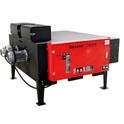
Optimizing the placement of an industrial fume purifier is a critical aspect of ensuring its efficiency and effectiveness in removing harmful fumes and pollutants from industrial environments. As a supplier of industrial fume purifiers, I understand the importance of proper placement and its impact on the overall performance of the equipment. In this blog post, I will share some key considerations and best practices for optimizing the placement of an industrial fume purifier.
Understanding the Source of Fumes
The first step in optimizing the placement of an industrial fume purifier is to understand the source of the fumes. Different industrial processes generate fumes in various ways, and the location of the fume source will determine the most effective placement of the purifier. For example, in a welding operation, the fumes are generated at the welding point. Therefore, the fume purifier should be placed as close to the welding area as possible to capture the fumes at the source.
Considering the Airflow Patterns
Airflow patterns play a crucial role in the effectiveness of an industrial fume purifier. The purifier needs to be placed in a location where it can effectively capture the fumes and draw them into the unit. It is important to analyze the natural airflow in the industrial space, including the direction of air movement, the presence of drafts, and any obstacles that may affect the airflow. By understanding the airflow patterns, you can position the fume purifier in a way that maximizes its ability to capture the fumes.
Evaluating the Space Constraints
Industrial spaces often have limited space, and this needs to be taken into account when placing the fume purifier. The purifier should be placed in a location that does not obstruct the normal operations of the industrial process. It should also be easily accessible for maintenance and filter replacement. In some cases, it may be necessary to use wall-mounted or ceiling-mounted purifiers to save floor space.
Selecting the Right Type of Purifier
There are different types of industrial fume purifiers available, each designed to handle specific types of fumes and pollutants. When selecting a purifier, it is important to consider the type of fumes generated by the industrial process. For example, if the fumes contain oil mist, an Industrial Oil Mist Collector may be the most suitable option. If the fumes are a combination of solid particles and gases, a more comprehensive purifier may be required.
Placement for Different Industrial Processes
Welding
In welding operations, the fume purifier should be placed as close to the welding arc as possible. This can be achieved using a flexible arm or a hood that can be positioned directly over the welding area. The flexible arm allows for easy adjustment of the purifier's position to capture the fumes effectively.
Machining
In machining processes, such as milling and turning, the fume purifier can be placed near the cutting tool. This helps to capture the fumes generated during the machining process. Some machining centers may also have built-in fume extraction systems, which can be used in conjunction with an external fume purifier for better results.
Chemical Processing
In chemical processing plants, the fume purifier should be placed in areas where chemical reactions take place. This may include reaction vessels, mixing tanks, and storage areas. The purifier should be able to handle the specific chemicals and gases generated by the process. For example, if the process involves the use of volatile organic compounds (VOCs), a purifier with activated carbon filters may be required.
Importance of Regular Maintenance
Proper placement of the industrial fume purifier is only one aspect of ensuring its effectiveness. Regular maintenance is also essential to keep the purifier in good working condition. This includes cleaning or replacing the filters, checking the fan and motor, and inspecting the overall system for any signs of damage or wear. By maintaining the purifier regularly, you can ensure that it continues to operate at its optimal level.
Monitoring and Adjusting the Placement
Once the fume purifier is installed, it is important to monitor its performance. This can be done by measuring the air quality in the industrial space and checking the efficiency of the purifier. If the air quality does not meet the required standards, the placement of the purifier may need to be adjusted. Additionally, changes in the industrial process or the layout of the space may also require a reevaluation of the purifier's placement.


The Role of Electrostatic Coalescers
In some industrial applications, Electrostatic Coalescers can be used in conjunction with industrial fume purifiers. Electrostatic coalescers are designed to separate oil mist and other fine particles from the air. They work by applying an electrostatic charge to the particles, causing them to coalesce and form larger droplets that can be more easily captured by the purifier. By using an electrostatic coalescer, the overall efficiency of the fume purifier can be significantly improved.
Conclusion
Optimizing the placement of an industrial fume purifier is a complex process that requires careful consideration of various factors. By understanding the source of the fumes, considering the airflow patterns, evaluating the space constraints, and selecting the right type of purifier, you can ensure that the purifier is placed in the most effective location. Regular maintenance and monitoring are also essential to keep the purifier operating at its best. If you are looking for an industrial fume purifier for your industrial process, we are here to help. Our team of experts can provide you with the best solutions and advice on the optimal placement of the purifier. Contact us today to discuss your specific requirements and start the procurement process.
References
- Smith, J. (2018). Industrial Air Pollution Control. Wiley.
- Johnson, A. (2019). Fume Extraction Systems for Industrial Applications. Elsevier.
- Brown, C. (2020). Air Quality Management in Industrial Settings. CRC Press.