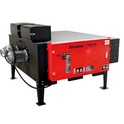
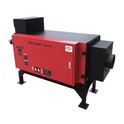
Hey there! As a supplier of Oil Mist Eliminators, I've seen firsthand the various issues that can crop up with these essential pieces of equipment. In this blog, I'm gonna walk you through some of the common problems you might encounter with Oil Mist Eliminators and how to deal with them.
1. Ineffective Oil Mist Removal
One of the most frequent problems is the eliminator's inability to remove oil mist effectively. This can be a real headache, especially in industrial settings where high levels of oil mist can pose health risks to workers and damage machinery. There are a few reasons why this might happen.
First off, the filter might be clogged. Over time, oil and debris can build up on the filter, reducing its ability to capture oil mist. If you notice that the air quality around your machinery isn't improving or that there's still a visible haze of oil mist, it's likely that the filter needs to be replaced. You can check out our Oil Mist Collector for Machines for high - quality filters that are designed to handle heavy oil mist loads.
Another factor could be the wrong sizing of the eliminator. If the eliminator is too small for the amount of oil mist being generated, it simply won't be able to keep up. Make sure to accurately calculate the volume of oil mist in your workspace and choose an eliminator with the appropriate capacity.
2. High Energy Consumption
Energy consumption is a big deal when it comes to running an Oil Mist Eliminator. Some eliminators can guzzle a lot of electricity, which can drive up your operating costs. This often happens when the equipment is old or not properly maintained.
Older models might not have the latest energy - efficient technology. If your eliminator is several years old, it might be worth considering an upgrade. Our CNC Mist Collector is designed with energy efficiency in mind, using advanced technology to reduce power consumption without sacrificing performance.
Poor maintenance can also lead to increased energy use. For example, if the fan in the eliminator is dirty or the motor is not properly lubricated, it will have to work harder to function, consuming more energy in the process. Regular maintenance, such as cleaning the fan and lubricating the motor, can help keep energy consumption in check.
3. Noise Pollution
No one likes a noisy workspace. Unfortunately, some Oil Mist Eliminators can be quite loud, which can be a nuisance for workers and even lead to hearing problems over time.
The noise is often caused by a malfunctioning fan or motor. If the fan blades are unbalanced or the motor is vibrating excessively, it can create a lot of noise. To fix this, you can have the fan blades balanced or the motor checked and repaired.
Another source of noise could be the housing of the eliminator. If it's not properly insulated, the sound from the internal components can escape. Consider adding insulation to the housing to reduce noise levels. Our Mechanical Oil Mist Collector is designed with noise - reducing features to provide a quieter working environment.
4. Leakage Issues
Leakage is another common problem. Oil can leak from the eliminator, which not only creates a mess but can also be a safety hazard. Leakage can occur at the seals, joints, or connections of the eliminator.
Over time, the seals can wear out, allowing oil to seep through. Regularly inspecting the seals and replacing them when necessary can prevent leakage. Make sure to use high - quality seals that are compatible with your eliminator.


Joints and connections can also come loose, especially if the equipment is subject to vibrations. Tightening the connections and using appropriate gaskets can help prevent oil from leaking out.
5. Short Lifespan of Components
The components of an Oil Mist Eliminator have a limited lifespan. Filters, for example, need to be replaced regularly to ensure optimal performance. If the components are not replaced in a timely manner, it can lead to a decrease in the efficiency of the eliminator and even cause damage to other parts of the equipment.
The lifespan of components can be affected by factors such as the quality of the components, the operating conditions, and the frequency of use. Using high - quality components and following the manufacturer's maintenance recommendations can help extend the lifespan of your eliminator.
How to Solve These Problems
To tackle these common problems, it's important to have a proactive maintenance plan. Regularly inspect your Oil Mist Eliminator for signs of wear and tear, and address any issues as soon as they arise. Replace filters on schedule and keep the equipment clean.
If you're experiencing persistent problems, don't hesitate to reach out to us. As a supplier, we have the expertise and resources to help you troubleshoot and find the best solutions for your Oil Mist Eliminator. Whether you need a replacement filter, a new component, or advice on maintenance, we're here to assist you.
If you're in the market for a new Oil Mist Eliminator or looking to upgrade your existing one, we've got a wide range of products to meet your needs. Our Oil Mist Collector for Machines, CNC Mist Collector, and Mechanical Oil Mist Collector are all designed to provide efficient and reliable oil mist removal.
We're always happy to have a chat about your specific requirements and help you choose the right product. So, if you're interested in learning more or making a purchase, don't hesitate to contact us. Let's work together to create a cleaner, safer, and more efficient working environment.
References
- Industrial Air Filtration Handbook, various editions
- Manufacturer's manuals for Oil Mist Eliminators