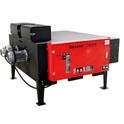
As a supplier of Machine Tool Oil Mist Filters, I often receive inquiries from customers about the installation requirements for these essential devices. In this blog post, I'll delve into the key aspects of installing a machine tool oil mist filter, providing you with comprehensive information to ensure a successful installation.
1. Location Selection
The first step in installing a machine tool oil mist filter is choosing the right location. The filter should be installed as close to the source of the oil mist as possible. This proximity ensures efficient collection of the mist, preventing it from spreading throughout the workshop. For example, if you have a CNC machine generating oil mist, the filter should be placed near the machining area.
It's also important to consider the accessibility of the filter. You'll need to perform regular maintenance, such as replacing filters and emptying the oil collection tank. Therefore, the installation location should allow easy access for these tasks. Avoid placing the filter in a cramped or hard - to - reach area.
Another factor to consider is the ventilation in the area. The filter needs to be installed in a well - ventilated space to ensure proper air circulation. This helps in the efficient operation of the filter and prevents the build - up of heat. A poorly ventilated area can cause the filter to overheat, reducing its lifespan and performance.


2. Power Supply
A stable power supply is crucial for the proper functioning of the machine tool oil mist filter. Check the power requirements of the filter, which are usually specified in the product manual. Most filters operate on standard electrical voltages, such as 220V or 480V, depending on the model.
Ensure that the electrical outlet is properly grounded to prevent electrical hazards. It's recommended to use a dedicated circuit for the filter to avoid overloading the electrical system. If you're unsure about the electrical installation, it's best to consult a qualified electrician.
3. Mounting
Proper mounting of the machine tool oil mist filter is essential for its stability and performance. The filter can be mounted on the wall, ceiling, or a stand, depending on the design and the available space in your workshop.
When mounting on the wall, make sure the wall is strong enough to support the weight of the filter. Use appropriate mounting brackets and screws to secure the filter firmly. If mounting on the ceiling, ensure that the ceiling structure can bear the load. For stand - mounting, place the stand on a flat and stable surface.
Before finalizing the mounting, check the alignment of the filter. The inlet and outlet of the filter should be properly aligned with the air ducts and the source of the oil mist. Misalignment can lead to reduced efficiency and increased noise.
4. Ductwork Installation
The ductwork is an important part of the installation process. The ducts are used to transport the oil mist from the source to the filter. When installing the ductwork, ensure that it is properly sealed to prevent air leakage. Leaky ducts can reduce the efficiency of the filter and cause the oil mist to escape into the workshop.
Use high - quality duct materials that are resistant to oil and corrosion. The diameter of the ducts should be appropriate for the airflow requirements of the filter. A duct that is too small can restrict the airflow, while a duct that is too large may not provide sufficient suction.
The length of the ductwork should also be considered. Longer ducts can cause a pressure drop, which can affect the performance of the filter. Try to keep the ductwork as short as possible while still ensuring proper connection to the source of the oil mist and the filter.
5. Commissioning and Testing
After the installation is complete, it's important to commission and test the machine tool oil mist filter. First, check all the connections, including the electrical connections, duct connections, and mounting. Make sure everything is secure and properly installed.
Power on the filter and check the airflow. You can use a smoke test or an airflow meter to verify that the air is flowing through the filter as expected. Check the oil collection tank to ensure that it is collecting the oil mist properly.
Monitor the filter for a few hours to ensure its stable operation. Listen for any unusual noises or vibrations, which could indicate a problem with the installation. If you notice any issues, troubleshoot them immediately or contact the manufacturer for assistance.
6. Maintenance and Safety Considerations
Once the filter is installed and operational, regular maintenance is essential to keep it in good working condition. Follow the manufacturer's recommended maintenance schedule, which may include tasks such as replacing the filters, cleaning the oil collection tank, and checking the electrical components.
Safety is also a top priority. Make sure that all safety guards are in place and functioning properly. Provide proper training to the operators on how to use and maintain the filter safely. Keep the area around the filter clean and free of debris to prevent fire hazards.
Conclusion
Installing a machine tool oil mist filter requires careful planning and attention to detail. By following the installation requirements outlined above, you can ensure that the filter operates efficiently and effectively, providing a clean and safe working environment.
If you're in the market for a high - quality Machine Tool Oil Mist Filter, we offer a wide range of products to meet your needs. Our Machine Tool Oil Mist Filter is designed with the latest technology to provide excellent filtration performance. We also have CNC Oil Mist Purifier and Mechanical Oil Mist Collector options available.
If you have any questions or are interested in purchasing our products, please feel free to contact us for a detailed discussion. We're committed to providing you with the best solutions for your oil mist filtration needs.
References
- Manufacturer's installation manuals for machine tool oil mist filters.
- Industry standards and guidelines for ventilation and air filtration in industrial settings.