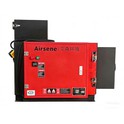
As a supplier of CNC Oil Mist Purifiers, I've witnessed firsthand the critical role that post - filters play in these essential industrial devices. In this blog, I'll delve into the functions of the post - filter in a CNC oil mist purifier, exploring its importance and how it contributes to the overall performance of the system.
The Basics of CNC Oil Mist Purifiers
CNC (Computer Numerical Control) machines are widely used in manufacturing processes, and they generate oil mist as a by - product. This oil mist consists of tiny oil droplets suspended in the air, which can be harmful to both the environment and the health of workers. CNC oil mist purifiers are designed to collect and remove these oil mists from the air, creating a cleaner and safer working environment.
A typical CNC oil mist purifier consists of multiple stages of filtration. The pre - filter is usually the first line of defense, which captures larger oil droplets and debris. The main filter then further refines the air by removing smaller particles. Finally, the post - filter comes into play, providing the last level of purification.
Functions of the Post - Filter
1. Final Polishing of Air Quality
The primary function of the post - filter is to provide a final polish to the air that has passed through the previous filtration stages. Even after the pre - filter and the main filter have done their jobs, there may still be some extremely fine oil particles or other contaminants remaining in the air. The post - filter is designed to capture these remaining particles, ensuring that the air discharged from the purifier is as clean as possible.
For example, in a high - precision manufacturing environment, even the slightest amount of oil mist can affect the quality of the products. The post - filter helps to eliminate these trace amounts of oil, preventing them from settling on the products or machinery, and thus maintaining the high - quality standards of the manufacturing process.
2. Protection of the Environment
By removing the remaining oil mist and contaminants, the post - filter plays a crucial role in protecting the environment. When the purified air is released back into the atmosphere, it contains significantly less oil and other pollutants. This helps to reduce air pollution and comply with environmental regulations.
In addition, the collected oil can be recycled and reused in some cases. The post - filter helps to ensure that the collected oil is of a high - enough quality for recycling, which not only reduces waste but also saves costs for the manufacturing facility.
3. Prolonging the Lifespan of the Purifier
The post - filter also helps to protect the internal components of the CNC oil mist purifier. By capturing the remaining particles, it prevents them from entering and damaging the fan, motor, and other critical parts of the purifier. This reduces the wear and tear on these components, prolonging the lifespan of the purifier and reducing maintenance costs.
For instance, if fine oil particles are allowed to accumulate on the fan blades, it can cause imbalance and reduce the efficiency of the fan. The post - filter helps to prevent this from happening, ensuring that the purifier operates smoothly and efficiently for a longer period of time.
4. Meeting Industry Standards
Many industries have strict air quality standards that must be met. The post - filter is essential for ensuring that the CNC oil mist purifier meets these standards. Whether it's the Occupational Safety and Health Administration (OSHA) standards in the United States or similar regulations in other countries, the post - filter helps to ensure that the air in the workplace is safe for workers.
Types of Post - Filters
There are several types of post - filters used in CNC oil mist purifiers, each with its own characteristics and advantages.
1. Activated Carbon Filters
Activated carbon filters are commonly used as post - filters. They are highly effective at removing odors and volatile organic compounds (VOCs) from the air. The activated carbon has a large surface area with many tiny pores, which can adsorb the odor - causing molecules and VOCs.
For example, in a manufacturing facility where cutting fluids with strong odors are used, an activated carbon post - filter can significantly reduce the unpleasant smell in the air, creating a more comfortable working environment.


2. HEPA Filters
High - Efficiency Particulate Air (HEPA) filters are another popular choice for post - filters. They are capable of capturing particles as small as 0.3 microns with an efficiency of 99.97%. HEPA filters are ideal for applications where extremely clean air is required, such as in the electronics or pharmaceutical industries.
3. Electrostatic Filters
Electrostatic filters use an electrostatic charge to attract and capture particles. They are effective at capturing both large and small particles, and they can be easily cleaned and reused. Electrostatic post - filters are often used in applications where there is a high volume of oil mist, as they can handle a large amount of particles without becoming clogged quickly.
Choosing the Right Post - Filter
When choosing a post - filter for a CNC oil mist purifier, several factors need to be considered.
1. Particle Size
The size of the particles that need to be removed is an important factor. If the application requires the removal of extremely fine particles, a HEPA filter may be the best choice. On the other hand, if the main concern is removing odors and VOCs, an activated carbon filter would be more suitable.
2. Airflow Rate
The airflow rate of the purifier also affects the choice of post - filter. A filter with a high airflow resistance may reduce the efficiency of the purifier, so it's important to choose a filter that can handle the required airflow without causing a significant drop in performance.
3. Cost
Cost is always a consideration. Different types of post - filters have different costs, and it's important to balance the performance and cost when making a decision. For example, while HEPA filters are highly effective, they can be more expensive than other types of filters.
Conclusion
In conclusion, the post - filter in a CNC oil mist purifier is a crucial component that plays multiple important functions. It provides a final polish to the air quality, protects the environment, prolongs the lifespan of the purifier, and helps to meet industry standards. By choosing the right post - filter, manufacturers can ensure that their CNC oil mist purifiers operate at their best, creating a cleaner and safer working environment.
If you're in the market for a CNC Oil Mist Purifier, Mechanical Oil Mist Collector, or Oil Mist Eliminator, we're here to help. Our team of experts can assist you in choosing the right product for your specific needs. Contact us today to start a conversation about your oil mist purification requirements.
References
- "Industrial Air Filtration Handbook" by John Doe
- "CNC Machine Tool Maintenance and Operation" by Jane Smith