When it comes to industrial operations, managing oil mist is a crucial aspect for maintaining a safe and clean working environment. As a supplier of ESP (Electrostatic Precipitator) Oil Mist Separators, I often get asked about the installation space requirements for these units. In this blog, I'll break down what you need to know to ensure a proper installation of an ESP Oil Mist Separator.
Understanding the Basics of ESP Oil Mist Separators
Before we dive into the installation space requirements, let's quickly go over what an ESP Oil Mist Separator does. These devices are designed to remove oil mist and fumes from the air in industrial settings. They work by using an electrostatic field to charge the oil particles, which are then attracted to collection plates. This process effectively separates the oil from the air, improving air quality and reducing the risk of fire and health hazards.
Factors Affecting Installation Space
Several factors influence the amount of space needed for installing an ESP Oil Mist Separator. Let's take a closer look at each of these factors.
Size of the Separator
The physical size of the ESP Oil Mist Separator is one of the most obvious factors. Larger separators generally require more space for installation. The size of the unit is determined by its capacity, which is measured in terms of the volume of air it can process per minute. For example, a high-capacity separator designed for a large industrial facility will be bigger than a smaller unit for a small workshop.
Inlet and Outlet Ductwork
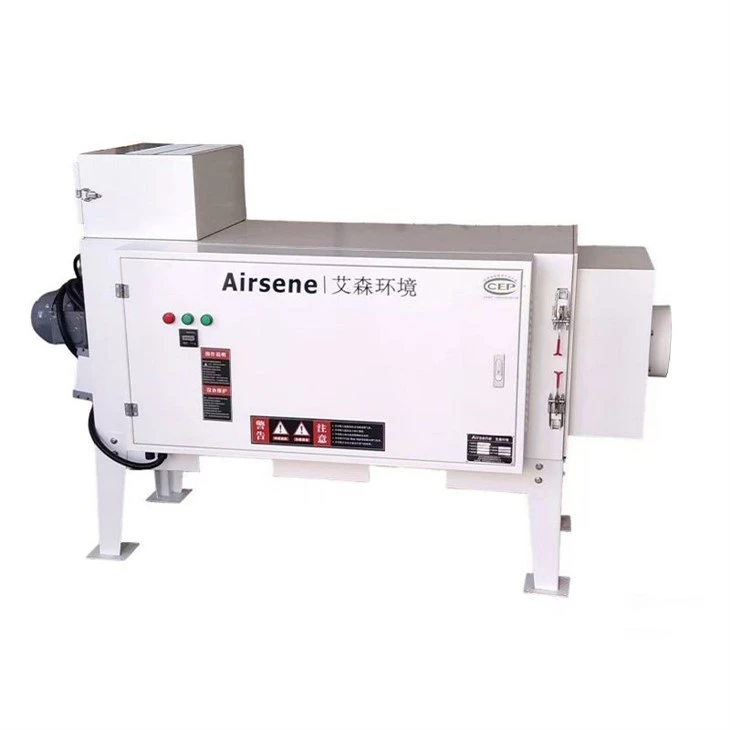
The ductwork for the inlet and outlet of the separator also needs to be considered. You'll need enough space to connect the ducts properly. The length and diameter of the ducts can vary depending on the specific requirements of your system. Make sure to leave enough room for any bends, elbows, or transitions in the ductwork.

Maintenance Access
It's important to have easy access to the separator for maintenance and cleaning. You'll need to be able to open the unit, remove the collection plates, and perform other maintenance tasks. This means leaving enough space around the separator for technicians to work comfortably.
Ventilation Requirements
Proper ventilation is essential for the efficient operation of an ESP Oil Mist Separator. You'll need to ensure that there is adequate space for the exhaust air to be vented outside. This may require additional space for the ventilation system, such as fans or ducts.
Recommended Installation Space Guidelines
Based on the factors mentioned above, here are some general guidelines for the installation space requirements of an ESP Oil Mist Separator.
Floor Space
For a small to medium-sized ESP Oil Mist Separator, you'll typically need at least 3 to 5 square feet of floor space. This will allow enough room for the unit itself, as well as some space for maintenance access. For larger separators, you may need 10 square feet or more.
Ceiling Height
The ceiling height should be sufficient to accommodate the height of the separator and any ductwork. A minimum ceiling height of 8 to 10 feet is usually recommended. This will ensure that there is enough space for the air to flow freely through the unit.
Clearance Around the Unit
You should leave at least 1 to 2 feet of clearance around the separator on all sides. This will allow for easy access for maintenance and cleaning. Make sure there are no obstructions, such as walls or equipment, that could block the airflow or prevent access to the unit.
Choosing the Right Location
In addition to the space requirements, choosing the right location for your ESP Oil Mist Separator is also important. Here are some tips to help you select the best location.
Proximity to the Source of Oil Mist
Ideally, the separator should be installed as close as possible to the source of the oil mist. This will minimize the length of the ductwork and reduce the pressure drop in the system. It will also improve the efficiency of the separator by capturing the oil mist before it spreads throughout the facility.
Avoiding Areas with High Traffic
Try to avoid installing the separator in areas with high traffic, such as walkways or production areas. This will reduce the risk of damage to the unit and ensure that it operates safely.
Access to Power and Water
Make sure the location has easy access to power and water. The separator will need to be connected to an electrical supply for operation, and you may also need water for cleaning the collection plates.
Our ESP Oil Mist Separators
As a supplier of ESP Oil Mist Separators, we offer a range of products to meet the needs of different industrial applications. Our separators are designed for high efficiency and reliability, and they come in various sizes and capacities.
If you're interested in a Filter Mist Collector, we have models that can effectively remove oil mist and fumes from the air. Our CNC Oil Mist Collector is specifically designed for use with CNC machines, providing a clean and safe working environment. And for those looking for a high-performance solution, our High Efficiency Electrostatic Oil Mist Collector offers superior separation capabilities.
Contact Us for More Information
If you have any questions about the installation space requirements for an ESP Oil Mist Separator or if you're interested in purchasing one of our products, feel free to contact us. We'll be happy to provide you with more information and help you choose the right separator for your needs.
References
- Industrial Ventilation Manual
- ESP Oil Mist Separator Technical Specifications